Goat Breeding Tips for Livestock Farmers (Urdu)
In order to get maximum meat and milk Beetal, Daira Deen Panah, Nachi, and Teddy Breeds.....
Mango Amazing Facts
The mango is known as the 'king of fruit' throughout the world. The name 'mango' is derived from the Tamil word 'mangkay' or 'man-gay'. When the Portuguese traders settled in Western India they adopted the name as 'manga'.
Pomegranate(Punica granatum) Cultivation and Farming
Pomegranates are fairly drought tolerant and can be grown on either calcareous or acid soils. Climate - Grow best in dry climates with mild winters. Chilling requirement
EU may also ban Monsanto GMO in wake of shocking cancer findings
Russia's consumer protection group, Rospotrebnadzor, said it was halting all imports of GM corn while the country's Institute of Nutrition will be evaluating the results of the study.
Protect Garden Pots during Winter
Many pots, especially ornamental containers that aren’t designed to stand outside in freezing temperatures, need winter protection. Wrap them up in burlap (possibly double layers), and secure tightly at the top and bottom with strong garden string.
Sustainable Agriculture and Fertilizers Practices in Pakistan
Agriculture is the mainstay of Pakistan’s economy. It has a total area of 79.61 million hectare, and the total area used for crop production is only 22 million ha.
Herbs For Winter Windowsill
Growing season is over, do you still find yourself ready to dash out to the garden for some chives, basil or a sprig of thyme...
Claim FREE EBook
Once you subscribe you will get a confirmation email from agrinfobank about joining the mailing list.
Tuesday, 1 January 2013
WikiLeaks: US targets EU over GM crops
The right to know what you are eating
An unprecedented agricultural experiment is being conducted at America's dinner tables. While none of the processed food we ate 20 years ago contained genetically engineered ingredients, now 75 percent of it does - even though the long-term human health and environmental impacts are unknown. The Food and Drug Administration doesn't require labeling of genetically engineered foods. But as the current drive to get labeling on the ballot in California confirms, consumers want to know whether our food contains these revolutionary new things.
In 1992, the FDA ruled that genetically engineered foods didn't need independent safety tests or labeling requirements before being introduced. But one of its own scientists disagreed, warning there were "profound differences" with genetically engineered foods. Genetically engineered seed manufacturers were allowed to sell their products without telling consumers. A 2006 survey found that 74 percent of Americans had no idea that genetically engineered foods were already being sold.
Biotech companies have fought labeling, claiming genetically engineered crops are "substantially the same" and produce larger yields - both unproven claims. But genetically engineered crops have led to the increased use of pesticides, often sold by the same companies that make genetically engineered seeds.
About 94 percent of U.S. grown soybeans are genetically engineered and contain a gene that protects them against glyphosate, now the nation's most widely used pesticide. But glyphosate is becoming ineffective as "superweeds" become resistant to it, forcing farmers to use even stronger herbicides. Widespread adoption of genetically engineered corn has also led to pesticide resistance.
Almost all the research on the safety of genetically engineered foods has been conducted by the companies that sell them. The potential harm to developing fetuses is of concern. A study of pregnant women found genetically engineered corn toxins in 93 percent of the women and 80 percent of their unborn children. All of their umbilical cords had glyphosate residues. Biotech companies say genetically engineered crops aren't different - but defend their patent rights by arguing they're unique and that anybody who grows them without permission should be prosecuted. These companies want it both ways.
Genetically engineered crops are different. They often contain genetic material from different species. Some survive large doses of pesticide, others produce their own pesticide, and many do both. That's why they must be labeled. A label allows people to choose. It lets the free market, not industry lobbyists, determine the fate of genetically engineered foods. If genetically engineered foods are so great, companies that sell them should be proud to label them.
Fifty countries, including the European Union, require genetically engineered food labeling.
A recent poll found 93 percent of Americans think genetically engineered foods should be labeled. This month, 384,000 people signed a Just Label It ( www.justlabelit.org) petition urging the FDA to mandate genetically engineered food labeling nationally. The FDA justifies its refusal to label on an agency rule that requires labeling only if a food tastes or smells different or has a different nutritional value. The FDA should change that policy - or make an exception for genetically engineered foods, as it did for irradiated foods.
The FDA doesn't let pharmaceutical companies test new drugs on people without their informed consent. Consumers should have the same right to know when it comes to what they eat. But even the narrow dictates of that FDA rule shouldn't block the labeling of genetically engineered foods. Everything about how they were introduced and spread nationwide, without our knowledge or consent, leaves a bad taste in the mouth.
Read more: http://www.sfgate.com/opinion/openforum/article/The-right-to-know-what-you-are-eating-2289668.php#ixzz2GkPQyvKO
Sunday, 30 December 2012
Tomato’s Genome Sequence Finally Cracked!
1) The Genetic Code
2) The Significance
3) The Team 
4) The Future
Read more at http://www.ifood.tv/blog/tomato-s-genome-sequence-finally-cracked#0p0AgEfPPI8EqMFi.99
Tomato Genome Decoded: Researchers To Publish Fruit's DNA Sequence In Full
Published: 05/30/2012 01:07 PM EDT on LiveScience
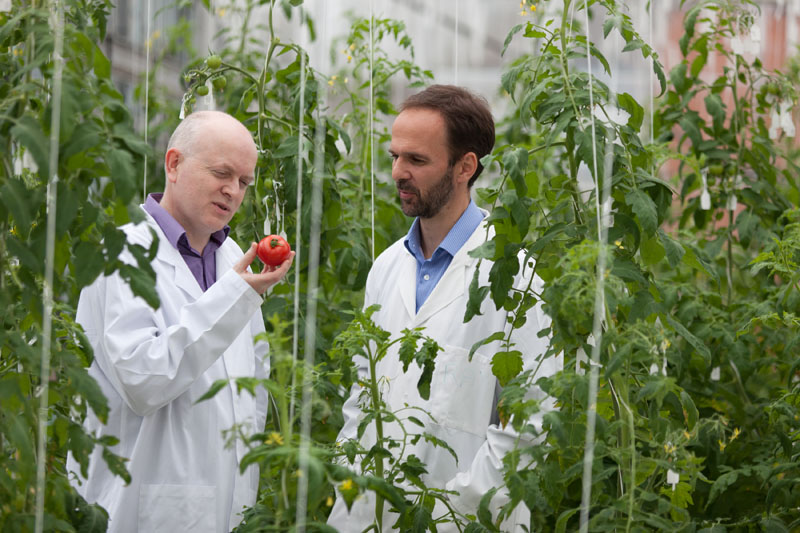
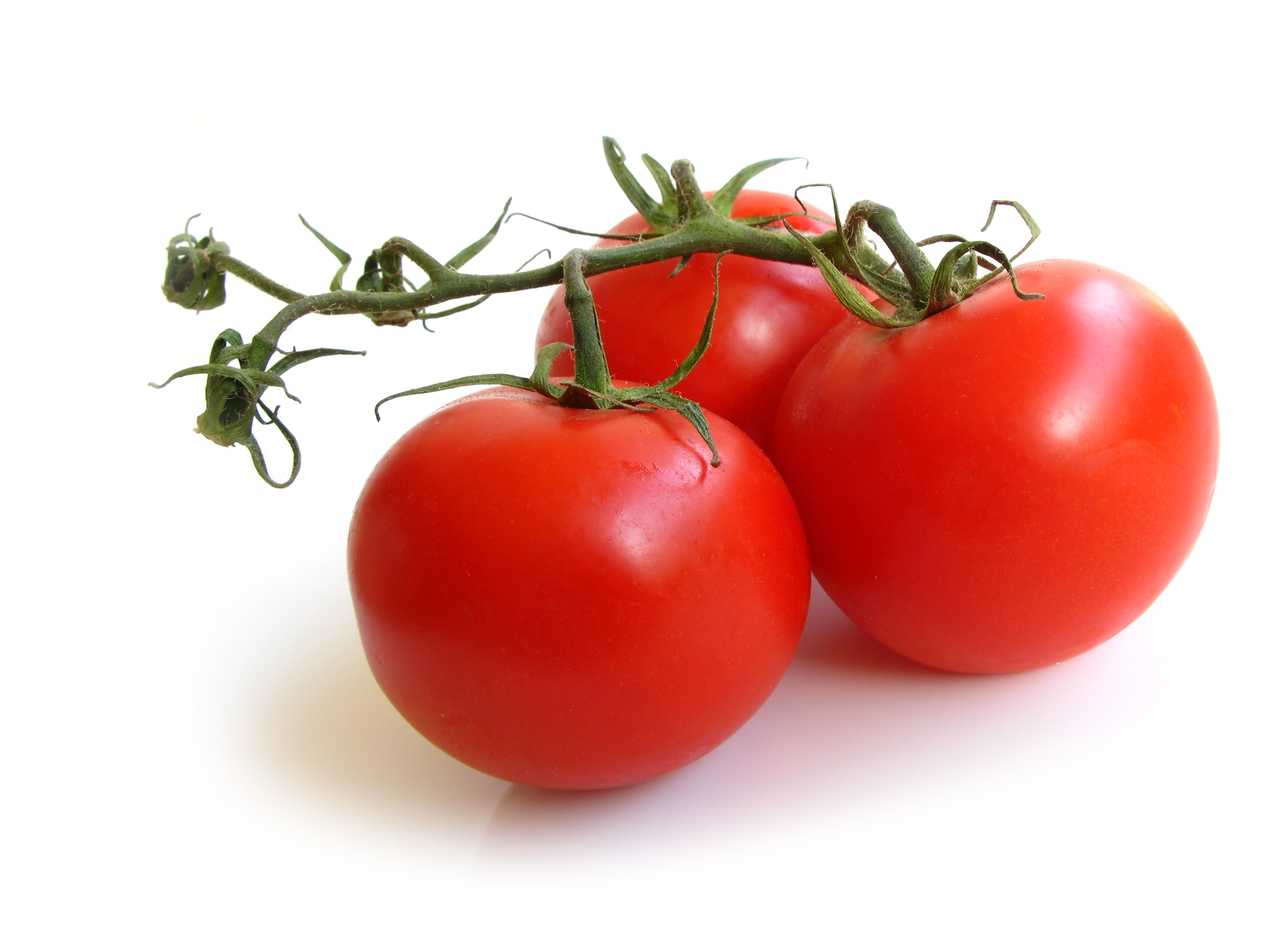
For years scientists have slaved away, trying to piece together the genes that make up the ripe, red goodness that is the tomato. They have finally published the fleshy fruit's genome in full.
The genome of any species is the DNA code that is stored as a blueprint inside every cell of every individual of that species. The DNA letters, called base pairs, are organized into genes, which are translated into proteins, the building blocks and machinery of every cell.
Decoding these genes can help researchers understand the different types of proteins found in organisms, and how these proteins make that species different from every other species. These kinds of insights from the genome could help crop researchers improve the yield, nutritional content, disease resistance, taste and color of tomatoes, they say.
"For any characteristic of the tomato, whether it's taste, natural pest resistance or nutritional content, we've captured virtually all those genes," study researcher James Giovannoni, of Cornell University, said in a statement. "Tomato genetics underlies the potential for improved taste every home gardener knows and every supermarket shopper desires and the genome sequence will help solve this and many other issues in tomato production and quality."
Generic and wild genomes
The researchers sequenced the genome of the tomato species Solanum lycopersicum, of the variety "Heinz 1706," as their type tomato. These tomatoes possess some 35,000 genes arranged on 12 chromosomes (large arrangements of hundreds of genes packed into one strand), the researchers said.
Knowing the sequence of one tomato can help seed companies and plant breeders get a grasp on what makes different varieties, like heirloom tomatoes, different from the generic grocery tomato.
Because the variability between two varieties is pretty small, it's easier to use the Heinz 1706 genome as a guide, and pinpoint the differences that lead to changes in color, taste, texture, size and shapethat distinguish one variety from another.
Tomato vs. potato
The genome is also important in learning why the tomato is so different from its genetic relatives in the nightshade family of flowering plants, which includes the potato, pepper and even coffee. Scientists want to know what genes have changed that gives each of these species their distinct flavor and look.
"Now we can start asking a lot more interesting questions about fruit biology, disease resistance, root development and nutritional qualities," Giovannoni said.
Tomatoes represent a $2 billion market in the United States alone. The USDA estimates that Americans consume, on average, more than 72 pounds (33 kilograms) of tomato products annually. Researchers have even developed a robot tomato harvester to go into space (or just use here on Earth).
The tomato decoded: holds more genes than humans
The tomato has always been a complex fruit. Or is it a vegetable? Either way. Tomato, tomahto, right?
The tomato, which is considered a fruit by botanists and a vegetable to the US government, has been demystified by a consortium of plant geneticists from 14 countries who spent nine years decoding the tomato genome with the hopes of breeding better, tastier fruits.
Specifically, the scientists sequenced the genomes of both Heinz 1706, a variety used to make ketchup, and the tomato’s closest wild relative, Solanum pimpinellifolium, which is grown in Peru, according to The New York Times.
The researchers reported that tomatoes possess some 35,000 genes arranged on 12 chromosomes. "For any characteristic of the tomato, whether it's taste, natural pest resistance or nutritional content, we've captured virtually all those genes," James Giovannoni, a scientist at the Boyce Thompson Institute for Plant Research, told Phys.org
Sunday, 16 December 2012
Genomics to improve farming
By Ijaz Ahmad Rao
It can enhance crops yield and quality, develop stress-tolerant crop varieties, improve nutritional content of foods and neutralise effect of food contaminants, and find new ways to face threats to bio-security.
These issues were discussed at a recent international symposium on “Genomics, Proteomics, Metabolomics: Recent Trends in Biotechnology” held by the Department of Microbiology and Molecular Genetics (MMG), University of The Punjab, in collaboration with the Higher Education Commission, National Biotechnology Commission, Core Group in Biological Sciences.
More than 190 delegates, some from Europe, participated in the symposium whose main objective was to provide new ways to use animal, plants and microbes, in order to improve quality of environment and economic sustainability of a country, to commercialise indigenous technologies and to help bridge the gap between global scientific communities in terms of existing and expanding frontiers of genomics, proteomics and metabolomics.
Environmental and political considerations have created a growing demand for plants-derived bio-fuels like ethanol and bio-diesel. It is appropriate that Pakistan should support research efforts in genomics and proteomics. It has enormous potential in agricultural both in cropping and livestock sectors. There is a need to fill actual productivity and potential productivity gap by adopting appropriate strategies and modern technologies to meet such problems as low resource use efficiency in agriculture, land degradation, water-logging and salinity, low organic matter, and low level of technology.
Despite continued progress in genetic improvement, optimal levels of crop productivity or desirable nutritional balance has not yet been achieved. Seed metabolism must be modified substantially to produce food-feed as well as industrial and medical products to satisfy future evolving societal demands. Such modifications need integration seamlessly into the complex but poorly understood processes of seed metabolism and development. Genomics offer new opportunities to address seed performance and productivity, to develop nutritionally desirable seeds, and to achieve industrial and pharmaceutical applications.
Collaborations between genomic researchers and plant breeders are crucial to enhance crops yield. With the help of tools of modern biotechnology and methods of genomics and proteomics, our future challenges of food, feed and energy sectors can be addressed. This new knowledge will change the future of breeding for improved strains of all domesticated species of crops, livestock, fish, and trees either through transgenomics or genomics-based conventional breeding.
“The first plant genome that has been completely sequenced is a small model species, Arabidopsis thaliana. The genomic sequencing of economically important crops is also being undertaken”. The most advanced are the several public and private gene sequencing projects on rice, all of which are now in the public domain. A maize genome-sequencing project is also in progress. Rice, maize and other cereals share a large number of common genes.
Several other genome sequencing projects of at least 130 different plant species are in progress. The plant genetic resources are the vital components of plant biodiversity, precious heritage of mankind, therefore they need to be collected and conserved before they are lost for ever.
There are about 6,000 plant species in Pakistan; out of these only 1,010 species are identified as having medicinal value. Pakistan Agriculture Research Council (PARC) established a “gene bank” at the Institute of Agricultural Biotechnology and Genetic Resources (IABGR) and the National Agricultural Research Center (NARC), which contains more than 30,000 genes and DNA of different plant species. The germplasm of major cereals, minor cereals, food legumes, oilseeds, vegetables, fruits, fiber crops, fodder and forages and medicinal plants are available from this ‘gene bank” for scientists and researcher for the development of new varieties. More recently PARC has established with NARC a new institute the National Institute for Genomics and Advance Biotechnology (NIGAB); which will conduct research on structural and functional genomic of both plants and animals.
In Pakistan, there are hundreds of scientists working at more than 29 centres conducting biotech research in different areas. These institutions have, to their credit, a number of major achievements in modern biotechnology. A few of them have developed plant expression vectors for the introduction of foreign genes into crops like Bt pesticidal genes used in cotton and rice against bollworm, rice leaf-folder, top leaf bore in sugarcane.
The use of new techniques for understanding and modifying the genetically modified organisms (GMO) has led to understanding the role of proteins through proteomics and metabolomics in order to have better knowledge of multi proteins expressed in a particular plant in specific environmental condition. These developments have been accompanied by public concerns as to the power of the new technologies and the safety and ethics of their use for improving human health, agriculture and the environment.
Scientists are trying to explore how genetics and environmental factors work together to cause human diseases which can be helpful in the prevention and treatment of many illnesses and as well as individualise the therapeutical strategies. There are extensive efforts under way to identify the genetic and environmental basis of common diseases like cancer, asthma and diabetes. The present challenge is how emerging scientific discoveries, such as those in the rapidly evolving fields of genomics, proteomics and metabolomics, amongst others, can be translated into safe applications leading to new varieties of crops, drugs and products.
Courtesy: The DAWN
.jpg)


.jpg)