Goat Breeding Tips for Livestock Farmers (Urdu)

In order to get maximum meat and milk Beetal, Daira Deen Panah, Nachi, and Teddy Breeds.....

Mango Amazing Facts

The mango is known as the 'king of fruit' throughout the world. The name 'mango' is derived from the Tamil word 'mangkay' or 'man-gay'. When the Portuguese traders settled in Western India they adopted the name as 'manga'.

Pomegranate(Punica granatum) Cultivation and Farming

Pomegranates are fairly drought tolerant and can be grown on either calcareous or acid soils. Climate - Grow best in dry climates with mild winters. Chilling requirement

EU may also ban Monsanto GMO in wake of shocking cancer findings

Russia's consumer protection group, Rospotrebnadzor, said it was halting all imports of GM corn while the country's Institute of Nutrition will be evaluating the results of the study.

Protect Garden Pots during Winter

Many pots, especially ornamental containers that aren’t designed to stand outside in freezing temperatures, need winter protection. Wrap them up in burlap (possibly double layers), and secure tightly at the top and bottom with strong garden string.

Sustainable Agriculture and Fertilizers Practices in Pakistan

Agriculture is the mainstay of Pakistan’s economy. It has a total area of 79.61 million hectare, and the total area used for crop production is only 22 million ha.

Herbs For Winter Windowsill

Growing season is over, do you still find yourself ready to dash out to the garden for some chives, basil or a sprig of thyme...

Claim FREE EBook

Once you subscribe you will get a confirmation email from agrinfobank about joining the mailing list.

Showing posts with label Cultivation. Show all posts

Wednesday, 26 December 2012

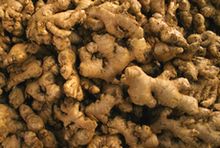
Ginger Cultivation Basics

Growing GingerGinger is an important spice crop of the world .Its scientific name is Zingiber officinale.Its a valuable cash crop and plays an important role in aurvedic medicines in India .It has been used for cleaning body through perspiration,to calm down nausea,and to stimulate the appetite.Ginger tea is used as carminative and in the symptomatic treatment of colds.Ginger contains gingerol, an oleo resin that accounts for the characteristic aroma and therapeutic properties.Components of gingerol posses beneficial properties for the treatment of poor digestion,heart burn,vomiting and preventing motion sickness.
 
Climate and soil

Ginger requires tropical,subtropical and humid climate for its commercial production.It can be successfully grown to an altitude of 1500mt.A well distributed rainfall during growing season and dry season during the land preparation as well as before harvesting is required for good growth and
yield of the crop. Dry weather with a temperature range of 28-30 degree Centigrade for about a month before harvesting is ideal . High humidity throughout the crop period is necessary. Ginger prefers good garden soil, rich in humus, light, loose, friable, well drained and of at least 30 cm depth. Rhizome growth is better on slightly acidic soil.

Varieties

Most promising varieties of ginger are Himgiri,Varad,surbhi,suruchi,Ernas,Nadia,Maran,Rio de jenerio and China.
Planting
In northern India, planting of Ginger is done on the onset of monsoon. In Eastern India planting is done in the month of march.The method of land preparation depends on the soil and climatic conditions.Usually beds of 1.0 mt width ,15 cm height, and 6-7 metre in length with 30 cm wide channels between beds are made. Ginger is universally propagated from cutting of Rhizome known as bits. A direct relationship has been established between size of planting material and final yield. Bits should be 3-5cm in the length, 15- 20gm in weight and at least one sound bud .A seed rate of 15-20 Quintal per hectare is considered to be optimum for planting. Before planting bits should be treated with fungicide like carbendazim and mancozeb by dissolving the 30 gm of powder in 15 litres of water as a safeguard against soft rot and to induce early sprouting.The spacing for planting of the ginger should be kept 25-45 cm between rows and 15-20 cm between plants.

Manures and Fertilizers

Well rotten FYM or compost at the rate of 25-30 ton/hectare should be applied at the time of planting. The amount of inorganic fertilizer depend upon the fertility of the soil and organic manure used. It ranges between 100-120 kg nitrogen, 75-80 kg of phosphorus and 100 -120 kg of Murat of potash.It is advisable to add 20-25 kg of elemental sulphur at the time of land preparation to correct the deficiency of sulphur which is increasing in Indian soils. Half of nitrogen and entire quantity of phosphorus and Murat of potash should be given as basal.Rest of the nitrogen should be split in two doses as top dressing at the 45 and 90 days after planting.

Shade and mulching
One row of maize in every inter row space of ginger with maintenance of 100% maize population and application of additional fertilizer to maize additional yield of ginger can beobtained. Mulching is essential as it enhances sprouting ,increase infiltration and organic matter .

First mulching should be done at the time of planting with quick rotting green leaves at the rate of 10-12 t/hectare or with dry leaves at the rate 5-6 t/hectare.
Water management
The crop raised in the month of April-May needs 2-4 initial watering at an interval of 7 days depending upon the soil types. After this the crop receives monsoon rain and comes up well till end of September . Subsequently the crop has to be given watering commencing from middle of October and the end of December at 15 days intervals. In ginger cultivation sprouting, rhizome initiation and rhizome development are critical stages of irrigation.
Weed management
Two weeding are generally given to the ginger crop.First weeding should be done just before the second mulching. It is repeated depending on the intensity of the weed growth or at an interval of 45-60 days. During hoeing , every care should be taken so that the rhizomes should not be disturbed, injured or exposed.

Plant Protection

To control shoot borer and leaf roller the spray of indoxacarb @ of 10 ml per 15 litre of water or novaluron@ of 10 ml per 15 litre of water is very effective if sprayed at 15 days interval. Rhizome scale insects destroys rhizome and it can be controlled by dipping the seed rhizome in quinalphos by dissolving 1 ml in 1 litre of water .To avoid rhizome rot , good drainage and treatment of the seed rhizome with dissolving 3 gm of combination of carbendazim and mancozeb ( readily available in the market) in 1 litre of water for nearly 30 minutes, before storage should be done. Bacterial wilt which causes milky ooze as gentle pressing of rhizomes and can be effectively controlled by treating the seed rhizome with dissolving 2 gm of streptocycln in 1 litre of water for 30 minutes.

Harvesting and yield


For fresh Ginger, the crop should be harvested before attaining the full maturity means when rhizomes are still tender, low in pungency and fiber content, usually from fifth month onwards after planting. Harvesting for the preserved ginger should be done after 5-7 months of planting while harvest for dried spices and oil is best at full maturity. i.e between 8-9 months after planting when leaves start yellowing. Rhizomes to be used for planting material should be harvested until the leaves become completely dry. After digging the rhizomes should be treated with fungicide like mancozeb @3-4 gm per litre of water , dried in shade , and stored in pits covered with 20 cm layer of sand alternating every 30 cm layer of rhizomes. These pits should be dug under a thatched roof to protect the rhizomes from rain, water and direct sun. Average yield varies from 12-15 tons per hectare. However recovery of dry ginger varies from 20-22%.

Washing and drying

After harvest, the fibrous roots attached to the rhizome should be trimmed off and soil is removed by washing. Rhizomes should be soaked in water overnight and then cleaned. The skin can be removed by scrapping with the correct instrument. Peeling or scraping reduces, drying time, thus minimizes mold growth and fermentation. However scraping process tends to remove some of the oils constituents which are more concentrated in the peel. By removing the outside Corky skin the fiber content also decreases. After scrapping, the rhizomes should be sun dried for a week with frequent turning and well rubbed by hand to remove the outer skin. This is called as the unbleached ginger . The peeled rhizomes should be repeatedly immersed in 2% lime solution for 6 hours and allowed to dry in the sun for 10 days while rhizome receive a uniform coating of lime and moisture content should be 8-10%. This is called as bleached ginger which has improved appearance with light bright colour.

Sunday, 16 December 2012

The Modern Face Of Farming In The UK

John Hutchinson
LPS Special Correspondent
FEW nations have seen such enormous changes in their farming industry as the United Kingdom. Recent decades have not only brought farmers more than their fair share of drought and flood but also powerful new pressures on their livelihoods that their grandfathers, 50 years ago, could never have imagined.

These pressures are generated by the modern world’s economic, environmental and consumer forces that have changed the face of the entire agriculture and food-production industry in the UK.

As a result, the UK’s agricultural and food production and processing technologies have become some of the most advanced and most sought-after in the world. The downside for many farmers is the personal consequences of the inevitable contraction of an industry that once employed millions but now supports a full-time workforce of fewer than 400,000 people.

Today in England, farmers tend an impressive 80% of the country’s 130,000 square kilometres of land and yet the direct economic value of farming in the food they produce is less than 1% of the nation’s gross domestic product.

This tiny proportion hides the real and immeasurable economic value of farming in terms of the raw materials that feed the UK’s major food processing industry, the new generations of energy crops for cleaner fuels, and the enormous benefit for the UK public in the shape of attractive landscapes that provide a fertile field for the growth industry of rural tourism – a sector that today is worth more in economic terms than farming.

Increasingly, these developments are being encouraged not only by government policies in the UK but also by the farming community. Modern farms are getting bigger but profits are dropping and farm incomes are at the lowest levels since the 1930s, while more than 40,000 jobs have been lost in farming in the past two years alone.

Many UK farmers are weathering the storm by becoming more productive. In the past 18 months the total area under crops has increased by 3% to nearly four million hectares, with wheat up by 20% at nearly 1.9 million hectares. At 21 million tonnes, the UK’s wheat and barley harvest marked a 17% increase over 2001.

Cheap grain from the Ukraine has contributed to a drop in grain prices for UK farmers but the UK’s National Farmers’ Union sees a confident future.

The overall wheat market looks promising for UK suppliers, reports a National Farmers’ Union spokesman. World production levels have fallen, especially in the United States, Canada and Australia, while new markets are opening up in north Africa and Asia.

Livestock, overshadowed today by UK’s grain and horticultural sectors, saw reductions of between 2- and 5% in dairy and beef breeding herds. Horticulture, by contrast, is a vibrant and growing feature of UK agriculture, with the UK leading the way internationally in research, development and environmental stewardship. Horticulture output today is worth almost two billion pounds sterling, more than 10% of the total industry.

Farming in UK also contributes strongly to a thriving export business in foodstuffs that rose to more than 4.8 billion pounds in the first six months of 2002 alone.

Defra - the government’s Department for the Environment, Food and Rural Affairs - is striving to help UK farmers survive and prosper, balancing the priorities of ensuring competitively priced food for UK and overseas markets with the need for high standards of safety, environmental care, animal welfare and a sustainable, efficient food chain – while maintaining the essential character of rural communities. Government forecasts point to a 9% growth in farming income this year.

Farmers are also contributing more effectively to government environmental schemes. Direct state ownership of production farms has long since ended but more than 25,000 farmers are now involved in government initiatives and in recent years 400 flourishing farmers’ markets have opened to offer producers scope to sell direct to their customers. Nearly 80,000 farmers and growers are members of farm assurance schemes.

The UK’s leisure and tourist industry, too, is presenting new opportunities for farmers. In the past 20 years an estimated 15,000 farmers have introduced products or services for the leisure market, from big pleasure and educational parks to small-scale facilities for holidaymakers.

Meanwhile the system of state support to food producers is under review with farmers, consumers and the government increasingly anxious to ensure Europe’s Common Agricultural Policy (CAP) develops as an integrated rural development policy.

Reforms to the policy get the support of UK farmers, although the industry is concerned that changes to the proposed phasing-in of farm support to new member states could affect farmers.

Farmers do not see any major competitive threat arising from the introduction of new member states into the European Union (EU), says the National Farmers’ Union. We broadly agree with the proposed EU position on agriculture in the enlargement talks.

Meanwhile another initiative for UK farmers to grasp is new scope for growing green fuels. Research shows almost one fifth of arable land could be devoted to crops for conversion into bio-fuels.

This promises to be one of the most dramatic shifts in the function of farming in recent history, says the National Farmers’ Union. It will provide new opportunities for farmers and will be excellent news for the environment. With such initiatives, UK agriculture is preparing to look ahead to a cleaner, productive and more stable future.

Source : http://www.agriworld.nl/

Wheat: Planning for better yield (بہتر پیداوار کے لئے منصوبہ بندی: گندم)

The wheat is sown the world over on an area touching 220 million hectares producing 600 million tons with an average of 2700 kg. of grain per hectare.

The Main land China brings 30 million hectares the largest are in the world followed by Russian Federation, India, USA, Australia, Canada, Turkey and Pakistan.

As far as the highest yield is concerned, France produces 7200 kg per hectare. Who leads other countries because it has much longer growing season of winter wheat? It is rather more appropriate to compare our wheat grain yields with countries of similar climatic and eco-zones, like Mexico and Egypt. Their yields are much higher owing both genetic constitution of cultivars and environment provided to them to express their biological potential.

Since Mexico and Pakistan are located in analogous ecological zones therefore, introduction of Mexican varieties in the country in sixties verities in the country in sixties ushered an era of green revolution. But unfortunately the pace of development could not be maintained for long and we now lag much behind the Mexican yields, who have gone for ahead of us producing 3900 Kg. of wheat grain per hectare as compared to 2491 K. for us in the year 1999, the best season. According to FAO statistics for 1995, among spring wheat growing countries Egypt has fantastic yield by producing 5422 kg. of grain per hectare where as Indian Punjab producing 4090 kg. and even India leads us in average yield by producing 2559 kg. notwithstanding three times largest area as compared to ours.

In our country wheat is cultivated largely (80 per cent), in irrigated areas whereas, rest in rain-fed. The yield and production in latter part of the country is predominantly controlled by rains during growing season, which usually are erratic. Hence yields are much lower during season of low precipitation.

There are of course three kinds of wheat cultivars, the long duration, the medium and short duration varieties. The wheat yields usually start declining after 20th Nov sowing at the rate of 20 kg per day.

Hence efforts must be made to plant it at optimum time. In cotton areas the sticks are by and large used as fuel in domestic house hold. Big heaps of cotton sticks can be seen along the roadside and in villages.

There is a great need to educate growers as to how much yield is last due to burning of sticks. So as to restores the soil fertility at least 80 per cent sticks may be buried in soil. In order to enhance the decomposition half a bag of urea per acre may be incorporated in the soil after the stick burial.

In view of numerous benefits through the addition of organic matter from cotton sticks, may be made mandatory for each farmer. In case wheat sowing is delayed owing to late maturity of cotton, wheat may be sown in standing crop, if there is low or no incidence of weeds. However in rice tract wheat should be sown on proper time immediately after crop harvest. In rice zone a sizable area must be brought under this season legumes, the chickpeas and lentils. It is of course not so difficult to reap their yields up to 1000 kg per acre, which will bring more finances to the growers as compared to raising wheat.

Adequate quantity of nitrogen, phosphorus and potash may be applied to harvest maximum grain. If phosphorus is added adequately it will not only help to realize good harvest, the following crop of cotton shall utilize the remaining residual phosphorus, without adding more of this element to cotton.

In my opinion there are three main factors, which largely contribute towards low wheat yields, the optimum time of sowing, prevalence of high intensity of weeds, imbalance use of fertilizer. The low level of organic matter is also important for holding the yield. In irrigated areas the crop is generally sown either after the harvest of cotton or paddy.

In most of the cases it is customary that farmers neither add organic matter nor farmyard manure to maintain fertility, thus resulting in low yields. In order to sow wheat at optimum time the cotton breeders in collaboration with cotton agronomists must try to reduce the life span of cotton crop without hampering the yield and deteriorating the quality of lint. In this way not only have substantial saving on the management of cotton but also timely sowing of wheat to realize maximum yields. As far as weeds are concerned it is estimated that decline in wheat yield ranges from 15 to 40 per cent or even more in some cases, which is indeed a great loss towards food self-sufficiency.

As my experience goes tit is much worst in certain localities where it appears as if wheat is an unwarted and obnoxious plant. It is in fact a glaring negligence on the part of extension workers and the grower himself.

The extension workers with the help of farmers may try to delineate the areas of high infestation of "Dumbi Sitti" and wild oats.

The farmers in such areas may be advised to control them through agronomic practices or herbicide treatment or removing the weed plants just after earring because at that stage it is easy to differentiate between both the weed and wheat plants.

If these weeds are not controlled now they will spread like a wild fire in coming years in whole of wheat areas. Thee weeds have capability to produce large quantities of seed, which is always shed before wheat harvest. Henceforth infestation increases at an alarming pace. These two weeds along with "It Sit" can be used as biological warfare in agriculture. On the other hand in barani areas "Pohalli" is quite a common weed, which can be easily seen while travelling by air, road or rail after the harvest of wheat.

The abundance of this weed undoubtedly is a main factor for low yield in the area. The Pohalli remain green much after harvest of crop. At that time it is an appropriate time to launch a campaign to eradicate it by uprooting and burning. Two or three exercise will help to whip out the weed in barani areas. Henceforth this year may be declared a Pohalli eradication year. The road sides and sides of rail tracks may also be cleared of it.

The pace of yield increase per hectare during past twenty years has been awfully poor rather frustrating since 1980 to 01. The population growth however, over whelmed the increase in yield per unit area therefore; the enlarged demand of wheat consumption was met by bringing more area under crop.

Which certainly is not a good omen. But for how long increase in area under crop shall come to our rescue. This problem has to be tackled through serious and wise planning and execution.

First of all we shall have to get rid of non-technocrats from lowest level to highest in the ministry of food, agriculture and livestock and induct able selfless agricultural scientists but not the pseudo ones. More funds have to be infused for research and transfer of technology. At the same time we must motivate the general public to diversify the so-called dietary pattern, is greatly imbalanced, which required to be substituted by balanced through intake of nutritive food, so as to reduce unnecessary burden on wheat. Besides this we must substantially boost yield per unit area. Thus placing this area under oil seeds, vegetables, fruits, pulses, and flowers. Also considerable area may be brought under fodder to raise ore animals for milk and meat production. Last but not the least we ought to arrest population growth.

With the improvement in agronomic practices we must try to equate with Egyptian or across the Punjab wheat yields in less than three or at the most five years.

Storage facilities: There are many stored grain pests, which destroy a considerable quantity of produce while in store in villages. Efforts may be made to eliminate the losses. If these losses are controlled it is possible that we may not have to import food grains any longer.


Courtesy Daily Dawn, 10 December 2001

New Agri-Technology

A new method of rice farming

New Delhi: In Kerala, where paddy cultivation is going out of favour because of labour problems and high costs, the novel System of Rice Intensification’ (SRI) has shown the potential to rehabilitate this crop.

This innovative technique ensures substantially higher productivity and lower input use. The SRI system has, in fact, proved its utility in many other regions as well, spanning Sikkim in the north-east to Tamil Nadu in the south.

The environment-friendly SRI method of growing rice involves transplanting relatively young paddy seedlings (eight to 10 days old instead of usual 20 days or more), along with the soil that contains their roots. The spacing between plants and rows is kept relatively wide at around 25 cms to provide room for the robust growth of both root and plant.

Plant nutrients are supplied largely through farm-yard manure, supplemented with need-based fertiliser applications. The most significant aspect of SRI is that the fields are not kept submerged under water all the time, as is usual in rice farming, but are allowed to remain just wet without flooding.

The success of SRI technology in most places where it has been tried in the past few years has led to its promotion in a big way by Krishi Vigyan Kendras (KVKs or agricultural science centres) and other farm research bodies under the Indian Council of Agricultural Research (ICAR). What makes the SRI method an instant hit with paddy growers is the saving of almost all key inputs (water, seed, fertilisers, pesticides and labour), and a perceptible spurt in crop productivity, which has, of late, tended to stagnate at many places.

The saving on water, which is rapidly turning scarce in most paddy-growing tracts, can be 30 to 40 per cent or more; that of costly seeds over 50 per cent. The reduction in the requirement of other inputs varies according to field conditions.

Higher crop yields in SRI fields are attributed to several factors. Since the seedlings are planted along with the soil in which these are growing, it helps the undisturbed roots to develop more profusely and enables it to tap more nutrients from the soil. This, in turn, facilitates a larger number of tillers (shoots) per root-system, vigorous plant growth and, more importantly, longer panicles (ear-heads) to accommodate more grain per plant.

Moreover, the fact that the seedlings are planted in wide-apart rows makes it easier for farmer to remove weed and other rogue plants that normally compete with the main crop for extracting nutrition from soil.

SRI fields also have a lower incidence of pests and diseases, mainly on account of lower humidity because the fields are not kept inundated. Overall crop yields have been found to surge by anywhere between 20 and 100 per cent over those obtained with normal cultivation practices.

The introduction of the SRI technique in different states has shown that it works well with both high-yielding varieties and local varieties of paddy. In east Sikkim, for instance, where farmers tend to grow only traditional varieties, such as Attey, Krishnabhog and Dudhetulsi, the new method enabled farmers to bag, on average, over 23 quintals of grain per hectare, against 19.6 quintals with conventional method, in kharif 2009-10. Farmers earned an average net return of around Rs 25,550 per hectare, more than double the production cost of Rs 10,950, according to sources in the KVK run by the ICAR Research Complex for the north-eastern hilly region, located in East Sikkim district.

In the Nellanad area of Thiruvananthapuram, where the SRI technology has been introduced by the local KVK in collaboration with the Coimbatore-based Tamil Nadu Agricultural University, farmers have reportedly reaped a paddy harvest of nearly 7 tonnes per hectare, against the state’s average crop productivity of 3 to 3.5 tonnes a hectare. This has spurred the state government to include the promotion of SRI in its overall agricultural development policy. Kerala’s example can surely be emulated elsewhere.

Similar encouraging results have been reported from Tamil Nadu’s key paddy belt in the Mettur dam command area where the uncertainty over the release of canal water from this dam has been posing problems for paddy growers. With the SRI technique, farmers can manage comfortably with whatever water is available.
Courtesy: Business Standard

New farming techniques produce more food, while protecting land in Nicaragua

New farming techniques produce more food, while protecting land in Nicaragua

Aug 22, 2012
Even in the face of the grinding poverty that is a fact of life for indigenous people living in climate-challenged regions of northern Nicaragua, some families are not just using new techniques to grow bigger and better crops, but also working to generate income by selling their surplus produce.
That was the message from a delegation from Nicaraguan organization Christian Medical Action, AMC, in a recent visit to partner Church World Service (CWS), a longtime supporter of AMC's work in the Central American country and a member of ACT Alliance. The delegation was in Washington, D.C. to attend a conference.
Francisco Gutierrez, programme officer and a former executive director of AMC, told of how in 2005, 30 children in the Rio Coco area of northern Nicaragua faced starvation because rats had eaten all the food. AMC intervened with emergency food and also provided seeds, animals and technological assistance to struggling families in the community. As a result, malnourished children at risk for permanent physical and mental developmental defects have regained their health, and nutritionally diverse crops are thriving on farms and in family gardens.
AMC leaders attribute the progress toward food security in a region challenged by climate change and weather disasters – like Hurricane Mitch in 1998 – to the families' embrace of programs aimed at training, teaching and transfer of technology.
"I have learned that there is a lot of capacity and knowledge in this population," says Gutierrez. "The people here only need support so that they can develop their capabilities."
That is precisely what is happening at six CWS-supported demonstration farms, where some 5,000 people already have learned sustainable farming techniques ranging from organic pest control to crop diversification and soil conservation. These model farms include food storage facilities, a water source, seeds and tools, animal spaces, and plots for growing fruit, grains and vegetables.
Program participants then share what they already know from experience and what they have learned at the demonstration farms with other farmers and gardeners in their communities and beyond. AMC also promotes sustainable agriculture techniques in Matagalpa, an impoverished area of central Nicaragua. Already, the expertise gained by people in the Matagalpa communities is being transferred to indigenous people along the Rio Coco river who own land but lack the techniques necessary to get the most from that valuable resource. The Rio Coco program, implemented by AMC, is supported by CWS through the Foods Resource Bank.
"These demonstration farms empower communities to draw upon their own knowledge to help themselves," says Gutierrez. The net result is the kind of broad information and experience sharing that is reaching beyond either Matagalpa or Rio Coco to help AMC and its partners in other areas develop a regional strategy for improving food security.
Some 80 landless participants in the program in Matagalpa are working land owned by AMC, under a program that facilitates their actual purchase of the land over a period of years. The land grant program is also supported by CWS CROP Hunger Walk funds. Gutierrez says that several families actually have completed the purchase of their land over the past seven years.
With the greater crop yields resulting from smarter farming comes a larger amount of surplus produce not needed for family meals that could be sold to earn income to pay for other necessities. To that end, Gutierrez says AMC is lobbying the government to support efforts to help people get their goods to market for sale.
And what would success look like for communities participating in the program? The security of access to nutritionally diverse food throughout the year, the ability to sell surplus food at a fair price, and increased awareness of the need to protect the environment even as the personal and economic needs of families and communities are being met.
This article originally appeared at Church World Service (CWS).
To view the original article

Promotion olive Cultivation for economic development in poverty alleviation

Promotion olive Cultivation for economic development in poverty alleviation


The plans to plant olive saplings in KP and the rest of Pakistan can bear fruit

By Tahir Ali

With high global demand and rising prices in the international market and Pakistan’s annual edible oil import bill exceeding $2bn, the rationale of recent olive cultivation initiatives in the country cannot be overemphasized. Olive demand globally is on the rise. Germans are using five times more and British ten times more olive than they did in 1990. In America, olive demand is growing by 6pc annually for two decades now. Olive prices in world market have doubled to $3,400 a ton recently. Pakistan has over 0.8mn hectares of wasteland suitable for olive cultivation. An official of the now defunct Pakistan Oil Seeds Development Board (PODB) had told this writer that by covering the area with olive plants, Pakistan can produce around 1.84mn tons of olive oil. This would fetch over $6bn at the current rate of olive in world market.
The Pakistan agricultural research council (PARC) has begun implementing the project “Promotion of olive cultivation for economic development and poverty alleviation” whereby olive plants will be cultivated on 300 hectares in Balochistan, 100 hectares in KP, 300 hectares in federally administered tribal areas and 100 hectares in the Pothohar region of Punjab. The Rs382mn project to be completed in three years is being under the Pakistan Italian debt-for-development swap agreement.
The Punjab Agriculture and Meat Company also plans to develop 10 certified nurseries. These nurseries –being opened through private sector in Attock, Rawalpindi, Chakwal, Jehlum and Khushab districts –would have a catchment area of 27000 acres and would have an impact of $78mn. The potential area suitable for olive cultivation is around 8mn acres in Punjab of which 0.4mn is being targeted though this initiative. Total impact of this land, if covered, would be $1.16bn.

Similarly, in KP’s budget for 2012-13, a Rs100mn project –research and development on European olive and maintenance of model olive farm Sangbhatti Mardan –has been started and allocated Rs15mn this year. As the PODB stands dissolved, Sangbhatti olive farm, one of its assets, has been handed over to the directorate of agriculture research in KP. “The department will provide olive plantlets, grafts and buds produced in the Sangbhatti farm to farmers. Though the production of olive nursery is limited at present, it is nevertheless sufficient for the time being,” says an official of KP agriculture ministry wishing anonymity. “Despite our efforts, mass resort to olive plantation is however unlikely in the immediate future,” the official adds.
Pakistan has been unable to increase its olive acreage and yield for indifference by successive governments, lack of private sector’s interest, focus on other cash crops, security situation in KP and tribal belt, too few olive nurseries and marketing worries. It only has 1130 acres of land under productive olive trees and the crop is yet to be inserted into the cropping system. The question arises: will the new initiatives succeed?

While olive farmers usually grow olive haphazardly, the problem is multiplied by non-availability of standard olive plants and restricted mobility of local and foreign experts in the olive-rich but militancy-hit tribal belt, KP and Balochistan. This explains why there has been of late a shift of focus to other parts of the country. Olive acreage and yield could be increased by providing quality seed, polythene rolls for wrapping round the buds/grafts to save them from cold and moisture, modern training and marketing support to olive farmers. Have similar interventions been planned?
Pakistan has over 0.8mn hectares suitable area for olive but as most farmers on fertile lands prefer other crops, the potential area may be around 0.264mh. Even if a third of this area is brought under olive cultivation, around 25mn olive seedlings would be needed (@250 trees per hectare) over the next few years. Has this been considered? Pakistan need to shift to tissue culture technology, standardise its nursery production and open more germplasm units to provide enough olive seeds, buds and grafts. Olive tree usually bears fruit after 4-5 years. However, Sultan Ali Khan, a farmer from Swat, says his community had grafted around 40000 wild olive trees but only 5000 of them have been successful and have started bearing fruit after 7-8 years. Shafeeq Ahmad from Swari, Buner says an olive plant could bear over 40-45kg of fruit if sufficient care, protection, pesticides and fertilisers are provided to the plants.

“We planted 600 olive plants on a mountain ridge around ten years ago but it is yet to bear plentiful fruit. Bearing of fruit was late and paltry because the orchards could not be looked after well nor were provided sufficient and timely doses of fertiliser and pesticides as the farmers were not given guidance and help,” he tells TNS. Another problem is that very ambitious projects are launched but are later forgotten. For example, there is no mention of the projects of establishment of olive orchards in KP and that of research, development and promotion of olive in KP which were allocated funds in the last two budgets but not in this fiscal and have been left out incomplete. A report on the Malakand olive development prepared by ISCOS, an international organisation, had urged induction of more olive technicians, modern training for them and increase in their salaries, introduction of a system of reward for successful olive farmers, subsidized provision of olive plants, and interaction between all the stakeholders in the olive production chain. The PODB had converted quite a few wild olive plants into fruit bearing trees. That process needs to be continued.

The planners also need to ensure olive production is developed on commercial lines and its enterprises facilitated. Olives are grown by the methods of budding and grafting of wild olive trees or planting of new trees. However, farmers have found the method of grafting most successful. A research showed that around 80-90pc olive trees grown through T-Grafting technique from August to September were successful. The areas with an altitude between 400 and 1,700 meters, slope of 20°, rainfall between 250 mm and 1,000 mm and having a warm, semi arid, winter rain climate are mostly suitable for olive plants. Olive trees can endure low temperature of even -9° C but these can hardly tolerate it at vegetative stage. It however needs a bit low temperatures in winter to be able to produce good amount of inflorescences and flowers in spring. The common diseases in olive plants are trunk decay, sooty mould and peacock spot, which decay and dry up the tree. The olive trees need more nitrogenous fertilizer than phosphorous and potash. The latter two fertilizers should be mixed in the soil before planting of trees at the rate of 200 kg and 300 kg per hectare respectively. Best time of nitrogen fertilizer is pre-flowering and stone-hardening stage.


Reference by: "THE NEWS" (Dated: 07th Sept. 2012)

The New breed: Pakistan olive plantation intiatives

With high global demand and rising prices in the international market and Pakistan’s annual edible oil import bill exceeding $2bn, the rationale of recent olive cultivation initiatives in the country cannot be overemphasized.
Olive demand globally is on the rise. Germans are using five times more and British ten times more olive than they did in 1990. In America, olive demand is growing by 6% annually for two decades now. Olive prices in world market have doubled to $3,400 a ton recently.
Pakistan has over 0.8mn hectares of wasteland suitable for olive cultivation. An official of the now defunct Pakistan Oil Seeds Development Board (PODB) had told this writer that by covering the area with olive plants, Pakistan can produce around 1.84mn tons of olive oil. This would fetch over $6bn at the current rate of olive in world market.
Olive is used in foods, pickles, medicines, food preservation, textile industry and cosmetic preparation etc. Special restaurants dealing in olive foods have also been opened in various cities of the country.
The Pakistan agricultural research council (PARC) has begun implementing the project “Promotion of olive cultivation for economic development and poverty alleviation” whereby olive plants will be cultivated on 300 hectares in Baluchistan, 100 hectares in KP, 300 hectares in federally administered tribal areas and 100 hectares in the Pothohar region of Punjab.
The Rs382mn project to be completed in three years is being under the Pakistan Italian debt-for-development swap agreement.
The Punjab government has declared the Pothowar region as Olive Valley. It recently distributed thousands of olive plants amongst olive growers and trained them.
The Punjab Agriculture and Meat Company also plans to develop 10 certified nurseries. These nurseries –being opened through private sector in Attock, Rawalpindi, Chakwal, Jehlum and Khushab districts –would have a catchment area of 27000 acres and would have an impact of $78mn.
The potential area suitable for olive cultivation is around 8mn acres in Punjab of which 0.4mn is being targeted though this initiative. Total impact of this land, if covered, would be $1.16bn.
Similarly, in KP’s budget for 2012-13, a Rs100mn project –research and development on European olive and maintenance of model olive farm Sangbhatti Mardan –has been started and allocated Rs15mn this year.
As the PODB stands dissolved, Sangbhatti olive farm, one of its assets, has been handed over to the directorate of agriculture research in KP.
“The department will provide olive plantlets, grafts and buds produced in the Sangbhatti farm to farmers. Though the production of olive nursery is limited at present, it is nevertheless sufficient for the time being,” said an official of KP agriculture ministry wishing anonymity.
“Despite our efforts, mass resort to olive plantation is however unlikely in the immediate future,” the official added.
Pakistan has been unable to increase its olive acreage and yield for indifference by successive governments, lack of private sector’s interest, focus on other cash crops, security situation in KP and tribal belt, too few olive nurseries and marketing worries. It only has 1130 acres of land under productive olive trees and the crop is yet to be inserted into the cropping system.
The question arises: will the new initiatives succeed?
While olive farmers usually grow olive haphazardly, the problem is multiplied by non-availability of standard olive plants and restricted mobility of local and foreign experts in the olive-rich but militancy-hit tribal belt, KP and Baluchistan. This explains why there has been of late a shift of focus to other parts of the country.
Olive acreage and yield could be increased by providing quality seed, polythene rolls for wrapping round the buds/grafts to save them from cold and moisture, modern training and marketing support to olive farmers. Have similar interventions been planned?
Pakistan has over 0.8mn hectares suitable area for olive but as most farmers on fertile lands prefer other crops, the potential area may be around 0.264mh. Even if a third of this area is brought under olive cultivation, around 25mn olive seedlings would be needed (@250 trees per hectare) over the next few years. Has this been considered?
Pakistan need to shift to tissue culture technology, standardise its nursery production and open more germplasm units to provide enough olive seeds, buds and grafts.
Olive tree usually bears fruit after 4-5 years. However, Sultan Ali Khan, a farmer from Swat, said his community had grafted around 40000 wild olive trees but only 5000 of them have been successful and have started bearing fruit after 7-8 years.
Shafeeq Ahmad from Swari Buner said an olive plant could bear over 40-45kg of fruit if sufficient care, protection, pesticides and fertilisers are provided to the plants.
“We planted 600 olive plants on a mountain ridge around ten years ago but it is yet to bear plentiful fruit. Bearing of fruit was late and paltry because the orchards could not be looked after well nor were provided sufficient and timely doses of fertiliser and pesticides as the farmers were not given guidance and help,” he told the TNS.
Another problem is that very ambitious projects are launched but are later forgotten. For example, there is no mention of the projects of establishment of olive orchards in KP and that of research, development and promotion of olive in KP which were allocated funds in the last two budgets but not in this fiscal and have been left out incomplete.
A report on the Malakand olive development prepared by ISCOS, an international organisation, had urged induction of more olive technicians, modern training for them and increase in their salaries, introduction of a system of reward for successful olive farmers, subsidized provision of olive plants, sensitizing farmers against cutting and grazing of animals in olive orchards and an in-depth dialogue and interaction between all the stakeholders in the olive production chain.
The PODB had converted quite a few wild olive plants into fruit bearing trees. That process needs to be continued.
The planners also need to ensure olive production is developed on commercial lines and its enterprises facilitated.
Where and how to plant?
Olives are grown by the methods of budding and grafting of wild olive trees or planting of new trees. However farmers have found the method of grafting the most successful. A research showed that around 80-90% olive trees grown through T-Grafting technique from August to September were successful.
The areas with an altitude between 400 and 1,700 meters, slope of 20°, rainfall between 250 mm and 1,000 mm and having a warm, semi arid, winter rain climate are mostly suitable for olive plants.
Olive production varies on the basis of temperature and rainfall. Rain falls abundantly in March (olive flowering season) and in summer in Pakistan. This rain pattern could pose threats for the olive cultivation –the first may heavily reduce the production and the second –rainfall in summer –could make it prone to various plant diseases. It requires extra care and more use of pesticides.
Olive trees can endure low temperature of even -9° C but these can hardly tolerate it at vegetative stage. It however needs a bit low temperatures in winter to be able to produce good amount of inflorescences and flowers in spring.
Olives require well drained soils for adequate growth. Heavily clayish or sandy soils or one prone to water logging should be avoided.
The common diseases in olive plants are trunk decay, sooty mould and peacock spot, which decay and dry up the tree.
The olive trees need more nitrogenous fertilizer than phosphorous and potash. The latter two fertilizers should be mixed in the soil before planting of trees at the rate of 200 kg and 300 kg per hectare respectively. Best time of nitrogen fertilizer is pre-flowering and stone-hardening stage.

HAY CROPS - CULTIVATION METHODS


No crop is grown for hay alone; most of those described are used for sown pasture, or are field crops such as cereals or pulses. The cultural techniques and levels of input for other uses may differ from those for haymaking, and therefore that information should be sought elsewhere. Cultivation for hay is discussed, with the emphasis on techniques suited to small- and medium-scale farms. Hay crops are grown on arable land, where they must compete with other field crops on the grounds of profitability. As haymaking costs are proportional not only to the area worked, but also to the weight of the crop, intensive to semi-intensive methods aiming at high yields per unit area are therefore generally advocated.
Where land scarcity is the major limiting factor, increased yield per unit area may be the best way of improving fodder availability. This was demonstrated in Pakistan in an FAO-assisted project (Bhatti and Khan, 1996). Fodder crops cover some 19% of Pakistan's total cropped area, but there is still a chronic forage deficit; the area under fodder remained static during 1977 - 1994, at around 2 600 000 ha, while yields rose over 20%, from 17.4 t/ha to 21.4 t/ha, during the period. Well-grown crops of proven cultivars can produce 60 to 80 t/ha of green fodder (most fodder is irrigated), but there are still problems in assuring the supply of good seed and planting material at farm level.
In another study, in Punjab, Hanjra (1996) gives the results of 200 on-farm trials carried out over three years with the poorest and smallest dairy farmers in central Punjab. The "improved" methods mostly had three parameters which differed from the farmers' own methods: seed quality; sowing method (including land preparation); and date of sowing. The results are presented in Table 2. Yields are below the very high levels attained on research units and some large farms, but the effect of good seed, sown at the correct time, on a well prepared seed bed - all cheap inputs - is striking, with yields improved by 20 to 40%, except for sorghum, where no improved fodder cultivars are available.
Table 2. Yields of fodders with traditional and improved cultivation in the Punjab
Crop
Yield (t/ha; green)
Percentage increase
Traditional
Improved method
Sorghum
18.5
20.0
7.5
Hybrid sorghum(1)
-
52.5
-
Maize
15.5
19.4
20.1
Berseem
26.3
38.5
30.9
Lucerne
25.0
34.4
27.3
Oats
15.0
24.6
39.0
Berseem+sarson+oats
32.0
41.3
22.5
Note: (1) Hybrid sorghum is multi-cut.

Land preparation

Clearing and levelling
Where fodder is cultivated for hay-making, the land must be prepared for mowing as well as put into a fit state for sowing and establishing the crop. Stones, stumps and termite mounds should be removed. Land with a long history of cultivation by the plough may require little or no treatment, but any field to be sown must be cleared of all obstructions to harvesting equipment. Under rainfed conditions, land levelling to facilitate mowing, as well as to make sowing of small seeds at even depth possible, is often necessary: even small humps and hollows make sowing at a uniform, shallow depth impossible and lead to gaps and uneven stands. For irrigated crops, of course, proper levelling is essential for effective water distribution. In-field irrigation structures should be designed to facilitate harvest, especially for perennial and multi-cut crops.
A firm, level seed bed is necessary for all fodders for hay, and for small-seeded pasture-type crops it must also be fine. Preparation methods vary with the type of farm and soil conditions. Whatever the means of primary and secondary cultivations, rolling in the final stages of seed-bed preparation, where possible, is advisable for all small-seeded crops. In tropical and semi-arid areas, work should follow the contour and, where necessary, precautions against washout should be taken. Most fodders have excellent erosion control qualities, once established, but the time of sowing and a short while thereafter are critical.
Fertilizing
Hay is a demanding crop and mineral deficiencies must be made good before sowing. It is a highly extractive crop, since all is removed from the field. Farmyard manure is rarely returned to fodder fields in developing countries, although it may be used on other parts of the farm, especially for horticultural crops. In large areas of the irrigated subtropics where fodder cultivation is important, most of the dung is used as fuel. In mechanized, intensive, large-scale dairying, however, the excreta is now handled in aqueous solution - slurry - which is widely used for top-dressing grass, adding fertility (from concentrates and other bought in feeds) and disposing of a difficult by-product in an ecologically benign way.
Soil fertility status should be determined before pasture installation. Local knowledge may allow a reasonable estimate to be made, but analysis may be necessary. While levels of laboratory accuracy may be very high, the value of analyses are only as good as sampling accuracy, so care should be taken, and advice sought if necessary on sampling methodology.
Phosphorus (symbol: P) is a major nutrient for all crops and its value is well established for fodder and grassland. Soils are usually deficient in available phosphorus unless they have been heavily fertilized in the past. It is essential for root and seedling establishment and should be present in the seedbed in adequate quantity and in a readily available form. It is also very necessary for legume persistence, and phosphatic top-dressings are frequently necessary to support persistence. It is progressively fixed by soil minerals after application, and on some tropical soils this process may be rapid and severe and almost permanent. However, there is thereafter a slow release, on which the sward relies for development. In grazed swards, much of the phosphorus is recycled through droppings. In hay crops, of course, this is not the case.
Potassium (symbol: K) is an essential nutrient, with a relatively high concentration in green leaves. Hays contain 2 - 3% in their DM, so it is a very potassium-extracting crop (a two-ton crop would remove the equivalent of 55 kg of potash fertilizer). It is required to complement nitrogen where high yields are the aim, as in hay production. Soil availability varies widely. Clovers are very sensitive to potassium deficiency.
Sulphur (symbol: S) is required in about the same quantity as phosphorus by plants, and legumes are often very responsive. However, it is much less used consciously as a fertilizer. Soil availability varies very widely. Some of the older fertilizers contained large amounts of sulphur; single superphosphate contains more sulphur than phosphorus; sulphate of ammonia supplies a lot of sulphur; basic slag, which was a major pasture fertilizer in industrial countries, contained appreciable amounts. More concentrated fertilizers with little sulphur are now common (partly to reduce transport and handling costs) and the steel-making process which produced slag is now little used, so the possibility of sulphur supply limiting production must be kept in mind.
Trace elements, or micronutrients, are limiting in some areas and application of tiny quantities in such cases can have spectacular effects. However, they should only be used, including cocktail mixtures, when a deficiency has been identified.
Nitrogen (symbol: N) is, of course, essential to all crop growth and its supply is one of the major limiting factors in forage production. An adequate nitrogen supply is essential, either as fertilizer or through biological fixation by legumes. Leguminous crops with effective nodulation will fix an appreciable amount of atmospheric nitrogen and add it to the overall farm nitrogen balance, but inputs of non-nitrogenous mineral fertilizer are needed to support this, as are increased management inputs in the case of mixed swards. For hay crops, heavy applications of N, including maintenance top-dressings between harvests, are limited by the resultant increasing density of sward, which hinders drying and can cause lodging and subsequent harvesting difficulties and losses. In small-scale farming situations, unbalanced use of fertilizer is a common fault: for unsophisticated users, the eye-catching responses to nitrogen top-dressing tend to eclipse the essential basal inputs of phosphorus and other necessary minerals. Nitrogenous fertilizer on legumes is wasteful and depresses biological nitrogen fixation.
Dressings for establishment will vary greatly according to local conditions, while maintenance fertilizer will depend on the management system. Levels should be decided according to local experience and research. A basal dressing of phosphatic (P) fertilizer is almost always necessary, and potash (K) is frequently needed; for non-legumes some nitrogen is necessary in the seed bed. Sometimes sulphur is deficient and leguminous crops, especially lucerne, can give large responses.
Calcium (symbol: Ca) is necessary for growth and legume nodulation. Under humid temperate conditions, heavy periodic liming, to raise the pH, is sometimes done. This is not suitable for tropical acid soils, but these may benefit from light dressings (600 kg/ha) of lime as a nutrient.
Micronutrient deficiencies should be dealt with where reported.
The forms of fertilizer used will often depend on local availability. For example, single superphosphate is recognized as being the best phosphate source for most fodders and pastures, but its phosphorus content is relatively low (17 to 18% P2O5, as opposed to 42% in triple superphosphate), so it is not interesting if long transport is involved.

Seed and planting material

The choice of crops for different situations and conditions is discussed in Chapter VIII. It is always advisable to use clean, healthy seed of the best adapted cultivars available. In developed countries, the pasture and fodder seed market poses few problems, although the availability of seed in bulk tends to be limited to a relatively narrow range of species and cultivars. In many developing countries, the fodder seed situation is difficult, especially for specialized fodder and pasture plants (as opposed to cereals or pulses used as fodders). Often, national priority has, in the past and probably correctly, been placed on producing seed of the major subsistence and cash crops, with fodder taking second place. The importance of livestock in most small-scale farming systems, and the present need for on-farm fodder production, however, mean that this imbalance should be rectified. The international seed market often provides only cultivars suited to a limited range of conditions (whatever the claims of the merchants) and is dominated by countries with a large internal fodder market, notably Australia, New Zealand and the USA.
Traditional fodder landraces, in developing countries, are often only available as farmers' seed from unselected crops, of very doubtful cleanness and purity. It has often been clearly demonstrated that fodder yields per unit area can be greatly increased, often more than doubled, by using good seed of locally proven cultivars and landraces. Many countries have the knowledge and basic seed within their research systems; the problem is how to develop a sustainable, local commercial production and distribution chain. In the sections on individual crops, cultivars will be mentioned; it must, however, be kept in mind that although a cultivar has performed well under similar agro-ecological conditions on another continent or in another country, it does not mean that it can be transferred to a new area with confidence. For example, local disease patterns differ, therefore fodder sorghums selected abroad and imported to Africa, where there is a strong disease challenge, often perform very poorly.

Irrigated hay

Fodder is a widespread irrigated crop in arid and semi-arid zones. Under small-scale farming conditions, usually within a mixed farming system, the greatest areas of cultivated fodder in the developing world are on irrigated lands in the Near East and the Indian subcontinent, often in wheat-rice farming systems and associated with milch buffaloes. Irrigation areas specifically for fodder are rare in the small-scale farming and pastoral sectors, but that in Xinjiang (Altai) (see Case Study 4 in Chapter XI) is a notable exception. In the large-scale sector, however, highly specialized fodder growing, again often associated with dairying, is common. Irrigation layouts should be so designed as to present the minimum hindrance to agricultural and haymaking equipment and should allow easy access for transport of the bulky crop. An adequate drainage system, to allow the fields to be dried off before mowing, is highly desirable.
Components of an irrigation system
Irrigation is not an end in itself, nor does the simple supply of water and seed to land assure a sustainable and economic increase in output. There is a complex interaction between the land and water base, agricultural practices and cropping choices, which interact on the system and affect its production, profitability and labour efficiency. The management and maintenance of irrigation require discipline; traditional systems depend on a stable community decision-making system, and all interventions require, well before proposal or execution, discussion at both household and community level. Irrigated farming communities are well aware of the systems' complexities. The main components are: (i) production activities (choice of crops, cropping and livestock system); (ii) on-farm water management (optimization of yield, and use of labour and inputs); (iii) the delivery system; (iv) the water supply system (relationship with local hydraulic system, reliability, quality, timing of supply); and (v) downstream implications (waterlogging, salinity, disposal of drainage). These are considered in more detail in the following sections.
Production activities
The choice of crops and cropping mixture is determined, within any climatic zone, by water availability, water quality, soils and the local market (both for sale of produce and supply of inputs). Where water is the limiting factor, the producers' aim is often to maximize return per unit of water.
On-farm water management
It is of the utmost importance that best use be made of the water delivered to the farm in order to optimize yield, not only of individual crops, but also of the farm crop mix, to optimize water-use efficiency, and to obviate land degradation due to waterlogging or salinization. The scheduling of water application to suit the plant-soil-water relationship of the site is essential. In addition to a good delivery system, in-field work is necessary. Proper land preparation, including levelling and grading, is essential to facilitate water application, economize on labour and power and to optimize input use (e.g., watering must be so designed that fertilizer remains within the root-run of the crops and is not lost in the drainage water.
These operations are essential to the correct running of an irrigated farm; their application requires knowledge of crop agronomy, land and water management
The delivery system
The system between the offtake and the farmers' fields requires both management and maintenance. Management must assure equity in water apportionment and assure the timing of each farmer's water delivery. It must also ensure that the canals and works are properly maintained; prior agreement on how this will be done is a prerequisite to any interventions. Maintenance, usually through communal participation, is arduous and can be time-consuming. It is often possible, through some redesigning and modification, to provide systems that are less liable to siltation and therefore require less maintenance.
The supply system
Two main aspects must be studied: the effect of an offtake on water availability for other areas downstream, and possible negative effects on the hydrological system. The final decision on most major offtakes, therefore, cannot be decided by discussion with the potential users alone, as all parties likely to be affected must be consulted. Modern, solid structures not only greatly reduce maintenance labour but allow a modification and prolongation of the cropping system by permitting irrigation over a much longer season.
Downstream implications
Irrigation systems can have undesirable effects on land downstream through salinization, waterlogging and damage caused as a result of drainage water disposal. Both the design of the delivery and the management of the water at farm level are involved. It is very important that these aspects be taken into account before interventions are undertaken. Since the user community may not be directly affected by the downstream damage, such effects must be judged in the light of their wider community and environmental effect.
Types of irrigation
Surface irrigation, in which the water is distributed through flooding by basin, border and furrow, is the ancient, traditional system, which still accounts for the vast majority of the world's irrigated farmland. It is likely that most irrigated small-scale farming fodder will be watered in this way. Surface water is distributed in several ways, and the main ones are discussed briefly below insofar as they affect fodder work.
The subject is very complicated. Standard texts should be consulted (such as Kay, 1986) for information on layout of irrigation units, their organization, and details of irrigation methodology. Crop water requirements and guidelines for their prediction are discussed in another FAO publication by Doorenbos (FAO, 1984). In considering irrigation of hay, however, care should be taken that the method chosen does not unduly hinder the use of whatever machinery is foreseen and that there will be adequate access at haymaking time for the type of transport to be used to remove the crop.
Basin irrigation
Basin irrigation is the oldest and simplest system: a field is divided into one or more basins; each basin is a piece of level land surrounded by a bund which retains water until it has soaked into the soil. It can be adapted to many crops and farming systems, but for fodder production it is very labour demanding and practically precludes any mechanization of harvesting, unless very large basins can be used. The in-field bunds have to be removed at each cutting, and in the case of multi-cut crops, reconstructed thereafter.
Border irrigation
Border irrigation (also known as border-check and border strips) resembles basin irrigation in that the fields are divided into units by bunds, but borders slope away from the farm channel in the direction of water flow. They are not level and the method of irrigating is different. The water is not retained on the field to soak in, but soaks in as it flows over the land, so it is important to use the correct flow for the correct duration to ensure that the correct amount of water infiltrates into the soil. This system is much better suited to haymaking than is basin irrigation. If cultivation and/or harvest is mechanized, border width should fit the equipment to be used.
Furrow irrigation
This is the most widely used system for row-crops: water does not flow over the entire soil area, but is confined to furrows between the crop rows, and infiltrates into the bottom and sides of the furrow. It is excellent for large fodder crops such as Napier grass, maize and sorghum, but it is not suited to hay corps. If cultivation and/or harvest is mechanized, row width should suit the equipment to be used.
Spate irrigation
Here the supply is dependent on torrents with only occasional flow, as after heavy rain or snow-melt. Traditional offtakes are very labour intensive, can often only be used when river levels are low, and may be completely destroyed by snow-melt floods in summer at a season when irrigated cropping can be very productive.
Qanat
This is a system (also called karez) of tapping underground springs by gently sloping tunnelling to transport it (underground) to cultivated land. It is widespread in parts of Iran and Afghanistan and is used as far east as the Turfan Depression in China.
Piped systems
Various systems of (usually underground) piping of water have been devised to reduce the enormous wastage of open-channel systems and to thus free more land for cultivation. The water is usually supplied to the field through up-pipes with valves (risers) in the case of underground pipes, or through gated pipes where they are on the surface. Accurate levelling and some in-field structures are still required for such systems. Alfalfa risers have their valves just below mean soil level so that once the crop is established the mower and other machinery can pass over them unobstructed.
Sprinkler irrigation
This requires a considerable investment in equipment, but has the advantage that great investment in land-levelling, drainage and other infrastructures is not needed; less land is occupied with irrigation structures; water is more efficiently used; and there is minimal danger of seepage losses and salinization through rising water tables. It does away with the need for in-field structures which hinder fodder harvesting.
Centre pivot
Centre pivot systems are large, computer controlled sprinkler systems which rotate around a central axis. They are widely used for fodder crops in semi-arid or desert areas, such as Saudi Arabia and California. They are primarily for large-scale commercial farms where fodder is a high-value crop, and are well suited to the task.
Cold season watering of hay-fields
Watering of natural hay fields before the thaw is traditional in parts of Russia and Mongolia. Water is diverted from springs and streams on to areas reserved for hay, with or without some in-field structures, and is stored by freezing on the surface. Traditional water-spreading methods practised in the Mongolian mountain-and-steppe zone involve sporadic diversion of streams to develop ice-sheets over hay land which will, thereafter, melt at the onset of the growing season.

Role of Agriculture in Pakistan Economy

Agriculture is a vital sector of Pakistan's economy and accounted for 25.9 percent of GDP in 1999-2000, according to government estimates. The sector directly supports three-quarters of the country's population, employs half the labor force , and contributes a large share of foreign exchange earnings. The main agricultural products are cotton, wheat, rice, sugarcane, fruits, and vegetables, in addition to milk, beef, mutton, and eggs. Pakistan depends on one of the world's largest irrigation systems to support production. There are 2 principal seasons. Cotton, rice, and sugarcane are produced during the kharif season, which lasts from May to November. Wheat is the major rabi crop, which extends from November to April. The key to a much-needed improvement of productivity lies in a more efficient use of resources, principally land and water. However, change is dependent on the large landowners who own 40 percent of the arable land and control most of the irrigation system, which makes widespread reform difficult. Assessments by independent agencies, including the World Bank, show these large landholdings to be very unproductive. Pakistan is a net importer of agricultural commodities. Annual imports total about US$2 billion and include wheat, edible oils, pulses, and consumer foods.
Pakistan is one of the world's largest producers of raw cotton. The size of the annual cotton crop—the bulk of it grown in Punjab province—is a crucial barometer of the health of the overall economy, as it determines the availability and cost of the main raw material for the yarn-spinning industry, much of which is concentrated around the southern port city of Karachi. Official estimates put the 1999-2000 harvest at some 11.2 million 170-kilogram bales, compared with the 1998-99 outturn of 8.8 million bales and the record 12.8 million bales achieved in 1991-92. The government recently actively intervened in the market to boost prices and to encourage production. A major problem is that the cotton crop is highly susceptible to adverse weather and pest damage, which is reflected in crop figures. After peaking at 2.18 million tons in 1991-92, the lint harvest has since fluctuated considerably, ranging from a low of 1.37 million tons in 1993-94 to a high of 1.9 million tons in 1999-2000.
The 2000-01 wheat crop was forecast at a record 19.3 million tons, compared to 17.8 million tons produced during the previous year. This increase is due largely to favorable weather and a 25-percent increase in the procurement price to about US$135 per ton. About 85 percent of the crop is irrigated. Despite the record production, Pakistan will continue to be a major wheat importer. The government has imported an average of US$2.4 million annually over the past 5 years. The United States and Australia are the major suppliers. Demand for wheat is increasing from Pakistan's rapidly growing population as well as from cross-border trade with Afghanistan.
Pakistan is a major rice exporter and annually exports about 2 million tons, or about 10 percent of world trade. About 25 percent of exports is Pakistan's famous fragrant Basmati rice. Rice is Pakistan's second leading source of export earnings. Private traders handle all exports. Pakistan's main competitors in rice trade are Thailand, Vietnam, and India.
Tobacco is grown mainly in the North-West Frontier Province and Punjab and is an important cash crop . Yields in Pakistan are about twice those for neighboring countries largely due to the extension services provided by the industry. Quality, however, is improving only slowly due to problems related to climate and soil. Farmers have started inter-cropping tobacco with vegetables and sugarcane to increase returns. About half of the total production is used for cigarette manufacturing and the remainder used in traditional ways of smoking (in hand-rolled cigarettes called birris, in water pipes, and as snuff). The share of imported tobacco is increasing gradually in response to an increased demand for high-quality cigarettes.
Minor crops account for only 5 percent of total cultivated area; these include oilseeds (sunflower, soybean), chilies, potatoes, and onions. Domestic oilseed production accounts only for about 25 percent of Pakistan total edible oil needs. As a result, Pakistan spends more than US$1 billion annually in scarce foreign exchange to import edible oils, while its oilseed processing industry operates at less than 25 percent of capacity due to an inadequate supply of oilseeds. For 2000-01 total oilseed production was forecast to decrease 10 percent to 3.6 million tons. The government has highlighted development of the oilseed sector as a priority.
Pakistan's fishing industry is relatively modest, but has shown strong growth in recent years. The domestic market is quite small, with per capita annual consumption of approximately 2 kilograms. About 80 percent of production comes from marine fisheries from 2 main areas, the Sindh coast east from Karachi to the Indian border, and the Makran coast of Baluchistan. Ninety percent of the total marine catch is fish; the shrimp which constitute the remainder are prized because of their greater relative value and demand in foreign markets. During 1999-00, total fish production was 620,000 tons, of which 440,000 tons consisted of sea fish and the remainder were fresh-water species. About one-third of the catch is consumed fresh, 9 percent is frozen, 8 percent canned, and about 43 percent used as fish meal for animal food.
Livestock accounts for 40 percent of the agricultural sector and 9 percent of the total GDP. Principal products are milk, beef, mutton, poultry, and wool. During 1999, the livestock population increased to 120 million head. That same year Pakistan generated 970,000 tons of beef, 640,000 tons of mutton, and 190,000 tons of poultry. In an effort to enhance milk and meat production, the government recently launched a comprehensive livestock development project with Asian Development Bank assistance. Poultry production provides an increasingly popular low-cost source of protein. Modern poultry production is constrained by high mortality, high incidence of disease, poor quality chicks, and poor quality feed, combined with an inadequate marketing system. Frozen poultry have only recently been introduced.
Forests cover an area of 4.2 million hectares or about 5 percent of the total area of Pakistan. The principal forest products are timber, principally for house construction, furniture, and firewood. Many of the country's wooded areas are severely depleted as a result of over-exploitation. The government has restricted cutting to protect remaining resources—though corruption often jeopardizes environmental efforts—and has lowered duties to encourage imports. Forestry production has since declined from 1.07 million cubic meters in 1990-91 to 475,000 cubic meters in 1998-99. Pakistan imports an estimated US$150 million of wood products annually to meet the requirements of a growing population and rising demand by a wealthy elite.

Saturday, 15 December 2012

Sustainable agriculture and fertilizer practices in Pakistan

 
Mohammad Ali Khaskheli
Agriculture Officer Sanghar
Agriculture is the mainstay of Pakistan’s economy. It has a total area of 79.61 million hectare, and the total area used for crop production is only 22 million ha. Of which about 18 million ha (80 percent) are irrigated. Pakistan agriculture accounts for 24 percent of the growth domestic product (GDP), employs 48 percent of the labour force and contributes about 60 percent to export earnings.

Pakistan is a developing country with the world's sixth-largest population. The current population of Pakistan is about 160 million, which is growing at the rate of almost two percent annually. The major population of the country (67 percent) lives in rural areas and depends mainly on agriculture, and about 32 percent of the population lives below the poverty level. GDP growth continues to depend on crop performance.

The total food production in Pakistan is about 25 million tones in 2002/03 as compared to 10 million tones in 1970/71. However it is interesting to state that the consumption of fertilizer per hectare in Pakistan (133 kg approx.) is higher than the world average (94.1 kg/ha) but yield productions are substantially lower. This indicates to a big gap between the supply and demand of agricultural products, which is widening day by day due to the increasing population of the country.

Sustainable Agriculture

Sustainable productivity in our agricultural ecosystems is therefore an important objective. Sustainable agriculture depends on a whole-system approach whose overall goal is the continuing health of the land and people. Therefore it concentrates on long term solutions to problems instead of short term treatment of symptoms.
There are several important constraints to sustainable agriculture and causing low productivity. They include soil degradation (soil salinity, alkalinity, erosion and soil fertility depletion), depletion of water resources, mismanagement of irrigation systems, the distribution of the land holdings and poor farming practices.

The use of farm inputs, particularly of fertilizers, is inadequate and inefficient. Farm energy use is low. The availability of quality seed is limited. Agricultural research is lagging behind the new challenges. Agricultural extension services are not tuned to modern technology.
The flow of information from research to farmers is inadequate. Coordination between policy, research, extension and farmers could be improved. Disbursement of agricultural credit amounts to over Rs.50 billion per annum, but is less than the requirements and is not reaching small farmers.
An inadequate marketing infrastructure results in high marketing costs and losses. The fertilizer recommendations are too general. Soil testing laboratories are not adequately equipped in terms of manpower and equipment. As a result, the majority of the farmers become resource-poor and can not get benefit and therefore, our crop yields are one of the lowest in the world.
Declining land productivity with reduced crop yields has been also a major problem facing our farmers. The major factors contributing to the reduced land productivity is soil impoverishment caused by continuous cropping without addition of adequate mineral fertilizers and manures. Moreover, negative soil nutrient balances (nutrient removal exceeding nutrient application) during our cropping history have resulted in general deterioration of fertility levels. Sustained, high yield agricultural production can be assured once these negative balances are addressed. Crop fertilization is the main tool available.
Fertilizer has played a key role in helping farmers achieve their high level of production. Fertilizers provide essential plant nutrients which are indispensable for producing sufficient and healthy food for the world’s expanding population. Plant nutrients are therefore a vital component of any system of sustainable agriculture. Nitrogen (N), phosphorus (P), and in recent years, zinc, boron and sulfur are the nutrients of most concern in the grain-production regions. Unfortunately our soils are deficient in Nitrogen (100 %), Phosphorus (90%), Zinc (70%) and Boron (55%). Potassium (K) is generally adequate but its deficiency is emerging rapidly. Deficiencies and responses to other nutrients such as iron (Fe), magnesium (Mg), and other micronutrients are reported for specific crops and areas. When the soil cannot supply the level of nutrient required for adequate growth, supplemental fertilizer applications become necessary.
Prior to the introduction of fertilizes in Pakistan in the early1950s, the use of fertilizers have increased significantly. Total consumption of nutrients in Pakistan has increased from 5 kg/ha in 1966-67 to 133 kg/ha in 2001-2002. However, it is still much lower when compared with other countries of the world and highly unbalanced to produce enough and quality food to meet the country demand. The crop yields in countries using higher fertilizer rates (e.g. Korea, Japan China, Egypt etc) are two to three times more than Pakistan.
One of the factors responsible for stagnating yields and decreasing fertilizer use efficiency is the current unbalanced fertilizer use. Nutrient balances for many cropping systems are negative. The nitrogen and phosphorus are the most limiting nutrients to crop production but their sufficient use by majority of the smallholder farmers become limiting due to their high costs. Indeed a substantial number of farmers do not use fertilizers and the ones who use fertilizers apply below the recommended rates.
In Pakistan various types of fertilizers are used, some are locally manufactured and others are imported. In our country, most of the fertilizer is used on irrigated wheat, cotton, sugarcane and rice crops. On these crops the nitrogen application rate is close to 75-80 percent of the recommendations, compared with about 20-40 percent, depending on the crop, in the case of phosphate. Hardly 1-2 percent of farmers apply potash; that is usually applied to fruit, vegetable, and sugarcane crops only. Micronutrient deficiencies are common but less than five percent of the farmers apply micronutrient fertilizers.
There are several problems which are impeding the balance and efficient use of fertilizers. These are commonly non-availability of specific fertilizers at right time, ever-increasing prices, improper application methods and time, lack of knowledge among farmers about the need for balanced fertilizer applications, adulteration and inadequate grant of soft loans especially for the small farmers, costituting 75 per cent of our farming community.

The increase of fertilizer use efficiency is also related to ensuring the fertilizer quality. At present, apart from some macro fertilizers produced industrially, there are several mixed macro and micronutrient fertilizers, foliar fertilizers, plant growth stimulants which are not controlled by the government. They are circulated with of fertilizer arbitration organizations, therefore the farmers are always suffering from losses once having bought the adulterated or low-quality fertilizers, and the legitimate fertilizer producers and traders suffer from losses and risks.

Balanced fertilization

Balanced fertilization is one of the most important tools to achieve maximum crop yield. Balanced fertilization can be defined as the rational use of fertilizers and manures for optimum supply of all essential nutrients for maximum crop yield which simultaneously ensures efficiency of fertilizer use promotes synergistic interactions and keeps antagonistic interactions out of the crop production system. Fertilizers are not cheap and therefore, it is essential that they should be efficiently and effectively used to produce maximum increase in crop yields so that farmers receive the best possible outputs from their expenses.
Balanced fertilization does not mean a certain definite proportion of nitrogen, phosphorus and potash or other nutrients to be added in the form of fertilizer, but it has to take into account the availability of nutrients already present in the soil, crop requirement and other factors. It should take into account the crop removal of nutrients, the economics of fertilizers and profitability, farmers’ ability to invest, agro-techniques, soil moisture regime, weed control, plant protection, seed rate, sowing time, soil salinity, alkalinity, physical environment, microbiological condition of the soil, cropping sequence, etc. It is not a state but a dynamic concept.

Balance fertilization is invariably the practice, which enable the farmers to approach practically realizable yield potentials in a cost effective and sustainable manner. Balanced fertilization enhances crop yield, crop quality and farm income; corrects soil nutrient deficiencies, and maintains soil fertility. Several field trials on balance fertilization have proved the yield improvement by 50-100 per cent.
According to a (NFDC; 1999) report, balanced use of fertilizers increased the yields of wheat by 77%, sugarcane 100%, rice 25-100% and cotton by 400%. To reap the benefits of balanced use of fertilizers, our farmers must implement the five key practices (a) apply only those nutrients that will result in economic yield increases (b) apply appropriate nutrient rates (c) apply appropriate sources of fertilizer nutrients (d) apply nutrients at appropriate timing (e) apply using the most effective and practical application techniques.

A balanced fertilization strategy is the only way to ensure a sustainable agriculture that can provide the world population with high quality food while minimizing the impact on the environment. All available knowledge about the crop and the environment where it will be grown must be combined to set up the right combination of nutrients to be applied at each step of the fertilization program.

Suggestions

Among the programs of Ministry of Agriculture, the program of agricultural extension on fertilizers is considered a central one aiming at increasing fertilizer use efficiency, crop yield and agricultural product quality, stabilizing and enhancing the soil fertility.
But unfortunately, due to different reasons, due attention was not paid to this program. However, the following suggestions would be fruitful in promoting the balance use and proper management of fertilizers and increasing crop yields and soil fertility.
• Setting up a united network of agricultural extension on fertilizers with the participation of research institutes, agricultural universities, scientific associations and non-governmental organizations, fertilizer producing and trading companies.

• Surveying the current status of fertilizer use of farmers in all key agricultural areas in the whole country. The surveyed data will be processed to find out the advantages and shortcoming in fertilizer use for some main crops.
• Surveying the current status and capacity of fertilizer supply and service of governmental organizations, collective and private organizations, evaluating the supply capacity and requirement of each fertilizer kind at localities according to short- term and medium -term plants.
• Setting up the network of stable and long-term field experiment on some soil types for some crops in all agro-ecological zones in the whole country in order to exactly assess the nutrient supplying capacity of soils, factors limiting the fertilizer use efficiency (soils, climate and weather, management level, intellectual standard of the people...), direct and residual efficiency of main fertilizer to serve as a basis for establishing the formulae of reasonable fertilization.

• Setting up a network of field experiments to assess the environmental impacts of fertilizers, especially the impacts of fertilizers on soil fertility and agricultural product quality, besides, through this research system identifying the relationship between fertilizers and IPM.

• Organizing the training courses to provide the local extension workers with new knowledge and update new knowledge for them.

• Organizing the training for farmers on the role of each nutrient, symptoms of nutrient shortage and method of reasonable and efficient fertilizer through the farmer’s field schools using the most simple and effective methods.

• Organizing the information and propaganda on fertilizer use guides as well as introduction of new fertilizer through mass-media.

• Printing the fertilizer use guides. In the short term, apart from specific information, a new issue of agricultural extension on fertilizers can be carried out at the periodical of Pakistan Soil Science Society or the periodical of Department of Agriculture extension.

• Working out the regulations on fertilizer quality control aiming at preparing the fertilizer legislation.
• Carrying out the activities of cooperation on agricultural extension on fertilizers with in-country and foreign organizations as well as testing the efficiency of new fertilizers manufactured by in-country as well as foreign companies.

• Establishing the technical support fund to help the enthusiastic farmers having difficulties to form the key farmer class at the grassroots units.
• Developing the long-term human resource development program to improve qualifications of researchers and extension workers to PhD level and also provide for short-term trainings to equip them with knowledge and skills in important areas. Besides, career structure and incentive framework may be introduced to reward quality research and extension work.

Expected Outputs/Benefits

• The farmers provided with basis knowledge of fertilizer: Kind, composition, properties, method of storage, fertilizer use guide (not only for agricultural crops but also for forest trees).
• Agricultural output increase due to increase in crop yield.
• Agricultural product value increase due to increase in quality.
• Fertilizer cost for a product unit reduced, hard foreign currencies economized due to reasonable fertilizer use.
• Balanced fertilization reduces the incidence of plant diseases, such as red-leaf stem blight in cotton as found in various provinces of China. Natural improvements in the plant's ability to resist disease infections result in less need for insecticides and fungicides, which lowers production costs for farmers and reduces chances for negative environmental impact.
• Environmental pollution protected due to decrease in gaseous nitrogen looses as well as nitrate loss by leaching.
• Soil fertility stabilized and enhanced.

In summary all embracing efforts should be made to educate farmers to practice balanced use of fertilizers. Of late, some fertilizer companies and associations have come forward to educate the villagers, publication of literature in regional languages related to balanced use of fertilizers for higher crop yields in a sustainable way. The actual time has come; the farmers, researchers and other related communities should come forward and act in this respect.

The chemical fertilizers are very expensive therefore, should be used judiciously and use manures along with chemical fertilizers for improving the crop yield and soil productivity in a sustainable way. Many more activities are being planned to promote the balanced use of fertilizers. And it is hoped that all these efforts would lead to desired awareness and as a result balanced fertilizer use would become a reality in near future.


About us