Goat Breeding Tips for Livestock Farmers (Urdu)
In order to get maximum meat and milk Beetal, Daira Deen Panah, Nachi, and Teddy Breeds.....
Mango Amazing Facts
The mango is known as the 'king of fruit' throughout the world. The name 'mango' is derived from the Tamil word 'mangkay' or 'man-gay'. When the Portuguese traders settled in Western India they adopted the name as 'manga'.
Pomegranate(Punica granatum) Cultivation and Farming
Pomegranates are fairly drought tolerant and can be grown on either calcareous or acid soils. Climate - Grow best in dry climates with mild winters. Chilling requirement
EU may also ban Monsanto GMO in wake of shocking cancer findings
Russia's consumer protection group, Rospotrebnadzor, said it was halting all imports of GM corn while the country's Institute of Nutrition will be evaluating the results of the study.
Protect Garden Pots during Winter
Many pots, especially ornamental containers that aren’t designed to stand outside in freezing temperatures, need winter protection. Wrap them up in burlap (possibly double layers), and secure tightly at the top and bottom with strong garden string.
Sustainable Agriculture and Fertilizers Practices in Pakistan
Agriculture is the mainstay of Pakistan’s economy. It has a total area of 79.61 million hectare, and the total area used for crop production is only 22 million ha.
Herbs For Winter Windowsill
Growing season is over, do you still find yourself ready to dash out to the garden for some chives, basil or a sprig of thyme...
Claim FREE EBook
Once you subscribe you will get a confirmation email from agrinfobank about joining the mailing list.
Tuesday, 1 January 2013
WikiLeaks: US targets EU over GM crops
The right to know what you are eating
An unprecedented agricultural experiment is being conducted at America's dinner tables. While none of the processed food we ate 20 years ago contained genetically engineered ingredients, now 75 percent of it does - even though the long-term human health and environmental impacts are unknown. The Food and Drug Administration doesn't require labeling of genetically engineered foods. But as the current drive to get labeling on the ballot in California confirms, consumers want to know whether our food contains these revolutionary new things.
In 1992, the FDA ruled that genetically engineered foods didn't need independent safety tests or labeling requirements before being introduced. But one of its own scientists disagreed, warning there were "profound differences" with genetically engineered foods. Genetically engineered seed manufacturers were allowed to sell their products without telling consumers. A 2006 survey found that 74 percent of Americans had no idea that genetically engineered foods were already being sold.
Biotech companies have fought labeling, claiming genetically engineered crops are "substantially the same" and produce larger yields - both unproven claims. But genetically engineered crops have led to the increased use of pesticides, often sold by the same companies that make genetically engineered seeds.
About 94 percent of U.S. grown soybeans are genetically engineered and contain a gene that protects them against glyphosate, now the nation's most widely used pesticide. But glyphosate is becoming ineffective as "superweeds" become resistant to it, forcing farmers to use even stronger herbicides. Widespread adoption of genetically engineered corn has also led to pesticide resistance.
Almost all the research on the safety of genetically engineered foods has been conducted by the companies that sell them. The potential harm to developing fetuses is of concern. A study of pregnant women found genetically engineered corn toxins in 93 percent of the women and 80 percent of their unborn children. All of their umbilical cords had glyphosate residues. Biotech companies say genetically engineered crops aren't different - but defend their patent rights by arguing they're unique and that anybody who grows them without permission should be prosecuted. These companies want it both ways.
Genetically engineered crops are different. They often contain genetic material from different species. Some survive large doses of pesticide, others produce their own pesticide, and many do both. That's why they must be labeled. A label allows people to choose. It lets the free market, not industry lobbyists, determine the fate of genetically engineered foods. If genetically engineered foods are so great, companies that sell them should be proud to label them.
Fifty countries, including the European Union, require genetically engineered food labeling.
A recent poll found 93 percent of Americans think genetically engineered foods should be labeled. This month, 384,000 people signed a Just Label It ( www.justlabelit.org) petition urging the FDA to mandate genetically engineered food labeling nationally. The FDA justifies its refusal to label on an agency rule that requires labeling only if a food tastes or smells different or has a different nutritional value. The FDA should change that policy - or make an exception for genetically engineered foods, as it did for irradiated foods.
The FDA doesn't let pharmaceutical companies test new drugs on people without their informed consent. Consumers should have the same right to know when it comes to what they eat. But even the narrow dictates of that FDA rule shouldn't block the labeling of genetically engineered foods. Everything about how they were introduced and spread nationwide, without our knowledge or consent, leaves a bad taste in the mouth.
Read more: http://www.sfgate.com/opinion/openforum/article/The-right-to-know-what-you-are-eating-2289668.php#ixzz2GkPQyvKO
Sunday, 30 December 2012
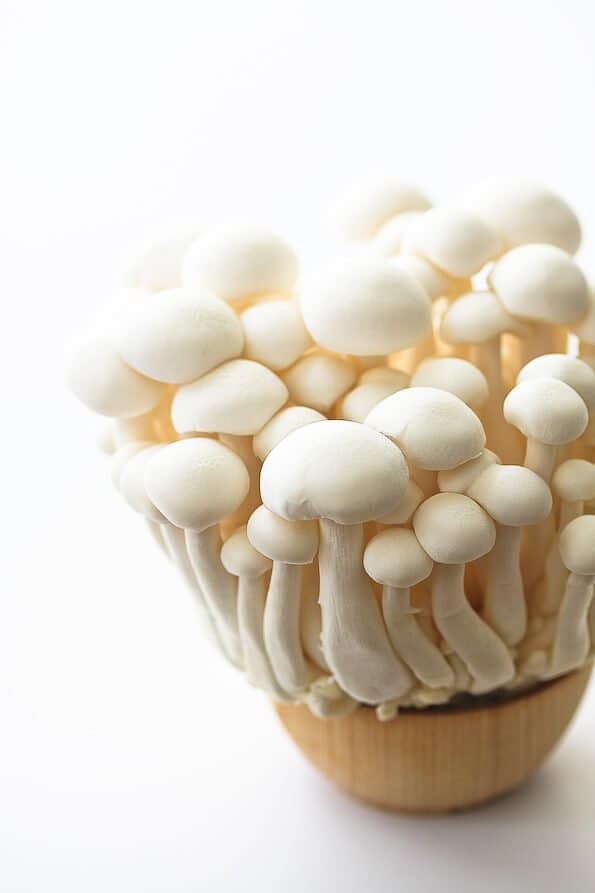
Mushrooms gain popularity in Germany
Over half of the German mushrooms are imported. Domestic cultivation was about 62,000 tons in 2011, some 2000 tons more than in 2010. Both Holland and Poland are the most important suppliers of mushrooms, with 30,000 tons each. Hungary, with just 500 tons, is in third place.
Source: Fresh plaza
Published on: 09/14/2012
Saturday, 29 December 2012
Beware of artificial food coloring chemicals in pickles - it's what makes them appear more yellow
(NaturalNews)Pickles make great snacks, satisfying food cravings without throwing off your daily intake of calories, fats, sugars or carbohydrates. Like most fermented foods, natural pickles provide probiotic benefits. Unfortunately, most commercially sold pickle brands contain high fructose corn syrup and/or food dye.
Garnish your sandwich with cancer?
Food manufacturers dye pickles as a marketing ploy to enhance the shelf-appeal of their product, hoping consumers will choose the brightest pickles from the supermarket shelves. A few manufacturers using turmeric to create the yellowy tinge which makes green pickles appear brighter. However, as an April 2011 article in the New York Times noted, natural food dyes are "not as bright, cheap or stable as artificial colorings, which can remain vibrant for years."Approximately 60%-70% of all dyes used in food and textile manufacturing are what are called azo dyes, processed from industrial waste. The ingredient responsible for the yellow color in many commercial pickles is the azo dye tartrazine, made from coal-tar derivatives. Many azo dyes are known to be mutagenic, meaning they cause mutations (changes in cell DNA). The National Cancer Institute has stated that mutagenic substances are carcinogens.
What the government is doing
For most of its 74-year history, the FDA has viewed most food dyes as harmless. In March of 2011, the agency asked a panel of experts to review the evidence on the health safety of food dyes. The panel's findings will determine whether products containing food dyes should carry warnings. Many parents are concerned about dyes because products for children often contain these artificial colors and one of the suspected effects of them is hyperactivity in children.What we found
We researched several brands and types of pickle products to provide you with information to help you determine which products are safe. Interestingly, many of the manufacturers below do not provide ingredient lists on their websites; we had to visit retailers' sites to find these specifics. Below is a list of several products with their ingredients.Vlasic Hamburger Dill Chips Pickles: cucumbers, water, distilled vinegar, salt, calcium chloride, sodium benzoate (preservative), natural, polysorbate 80, yellow 5.
Vlasic Homestyle Sweet Pickle Relish: cucumbers, high fructose corn syrup, distilled vinegar, salt, xanthan gum and guar gum, spice, calcium chloride, sodium benzoate (preservative), dehydrated red pepper, alum, natural flavor, polysorbate 80, yellow 5, blue 1.
Mt. Olive No Sugar Added Sweet Gherkins: cucumbers, water, vinegar, salt, calcium chloride, 0.1% sodium benzoate (preservative), alum, sucralose (splenda brand), xanthan gum, natural and artificial flavors, polysorbate 80, and fd&c yellow 5.
Nalley Bread and Butter Cucumber Chips: fresh cucumbers, high fructose corn syrup, vinegar, contains 2% or less of water, salt, spices, dehydrated onions, natural flavorings, calcium chloride, turmeric (color), polysorbate 80, yellow 5.
Milwaukee's Midget Kosher Dill Pickles: cucumber(s), water, salt, vinegar distilled, calcium chloride, garlic dehydrated, flavor(s) natural, polysorbate 80, yellow 5, potassium metabisulfite
Del-Dixi Hot Dill Pickles: cucumbers, water, vinegar, salt, red pepper, alum, calcium chloride, natural flavoring, sodium benzoate and potassium sorbate (preservatives), oleoresin turmeric & yellow #5 (colors), polysorbate 80 (emulsifier).
Heinz Polish Dill Spears: fresh cucumbers, water, distilled white vinegar, salt, calcium chloride, natural flavoring, polysorbate 80, fd&c yellow 5, garlic extract, acacia gum.
What you can do
Your local health food coop may have a policy against selling foods containing dyes. Trader Joe's line of pickles does not contain any artificial dyes, and some brands, such as Clausen's Pickles, seem to stick with natural food coloring. You can also learn to make your own pickles -- pickling is a great skill to increase your level of food self-sufficiency. An excellent source of a wide range of pickling recipes, as well as instructions on other varieties of fermented foods, is Sandor Katz' book Wild Fermentation.Sources for this article include:
http://www.naturalnews.com/029886_industrial_waste_pickle.html
http://www.wildfermentation.com/about.php?page=sandorkraut
http://www.foodrenegade.com/the-color-of-food-artificial-vs-natural/
http://www.nytimes.com/2011/03/30/health/policy/30fda.html?_r=2
http://www.nytimes.com/2011/04/03/weekinreview/03harris.html?amp
Learn more: http://www.naturalnews.com/034330_pickles_food_coloring_ingredients.html#ixzz2GQpVarhq
Thursday, 27 December 2012
Pomegranate nutrition facts
Botanically, it is a small size fruit-bearing deciduous tree belonging within the Lythraceaefamily, of genus: Punica. The fruit is thought to originate in the Sub-Himalayan range of North India. Scientific name: Punica granatum.
The tree grows to about five and eight meters tall. It is cultivated at a commercial scale in vast regions across Indian sub-continent, Iran, Caucuses and Mediterranean regions for its fruits. Completely grown-up tree bears numerous spherical, bright red, purple, or orange-yellow colored fruits depending on the cultivar types. Each fruit measures about 6-10 cm in diameter and weighs about 200 gm. Its outer skin or rind is tough and features leathery texture.
Interior of the fruit is separated by white, thin, spongy, membranous, bitter tissue into compartments. Such sections, packed as sacs, filled with tiny edible sweet, juicy, pink pulp encasing around a single, angular, soft or hard (in over-mature fruits) seed.
Pomegranate is one of the most extensively cultivated fruits for food, juice, flavor, and color, making it a common ingredient in new functional foods often called “super fruits."
Health benefits of Pomegranate
- The fruit is moderate in calories; 100 g provides 83 calories, slightly more than that in theapples. It contains no cholesterol or saturated fats.
- It is rich source of soluble and insoluble dietary fibers, providing about 4 g per 100 g (about 12% of RDA), which aid in smooth digestive and bowel movements. The fruit is suggested by nutritionists in the diet for weight reduction and cholesterol controlling programs. Regular inclusion of fruits in the diets boosts immunity, improves circulation, and offers protection from cancers.
- Punicalaginis a polyphenolic anti-oxidant compound found abundantly in the pomegranate juice. Studies suggest that punicalagin and tannins are effective in reducing heart-disease risk factors by scavenging harmful free radicals from the body.
- Total antioxidant strength of pomegranate fruit measured in terms of its oxygen radical absorbance capacity (ORAC) is 2341 µmol TE/100 g.
- The fruit is an also good source of antioxidant vitamin-C, provides about 17% per 100 g of daily requirement. Consumption of fruits rich in vitamin C helps the body develop resistance against infectious agents by boosting immunity.
- Regular consumption of pomegranate has also been found to be effective against prostate cancer, benign prostatic hyperplasia (BPH), diabetes, and lymphoma.
- Further, it is an also good source of many vital B-complex groups of vitamins such as pantothenic acid (vitamin B-5), folates, pyridoxine and vitamin K, and minerals like calcium, copper, potassium, and manganese.
Banana fruit nutrition facts
Scientific name: Musa acuminata colla.
Banana is a perennial herbaceous plant that develops from the underground rhizome. It flourishes well under tropical moisture-rich, humid low-lying farmlands.
In fact, the whole plant is a false stem (pseudostem), consisting of broad leaves along with their petioles overlapping around each other in a circular fashion standing up to 2 to 6 meters tall from the ground surface depending upon the cultivar types. At maturity, the rhizome gives rise to flower (inflorescence) that is carried up on a long smooth un-branched stem through the centre of the pseudo-stem emerging out at the top in the centre of the leaf cluster. The flower subsequently develops to hanging bunch consisting of 3 to 20 hands (tiers), each with at least 5-10 fingers (fruits) in each hand (tier). Banana plant or plantain bears hanging clusters of fruits as a bunch. Fruits are arranged in tiers, with 6-20 fruits in each tier.
Health benefits of banana fruit
- Banana fruit is one of the high calorie tropical fruits. 100 g of fruit provides 90 calories. Besides, it contains good amounts of health benefiting anti-oxidants, minerals, and vitamins.
- Banana pulp is composed of soft, easily digestible flesh with simple sugars like fructose and sucrose that when eaten replenishes energy and revitalizes the body instantly; thus, for these qualities, bananas are being used by athletes to get instant energy and as supplement food in the treatment plan for underweight children.
- The fruit contains a good amount of soluble dietary fiber (7% of DRA per 100 g) that helps normal bowel movements; thereby reducing constipation problems.
- It contains health promoting flavonoid poly-phenolic antioxidants such aslutein, zea-xanthin, ß and α-carotenes in small amounts. These compounds help act as protective scavengers against oxygen-derived free radicals and reactive oxygen species (ROS) that play a role in aging and various disease processes.
- It is also a very good source of vitamin-B6(pyridoxine), provides about 28% of daily-recommended allowance. Pyridoxine is an important B-complex vitamin that has a beneficial role for the treatment of neuritis, and anemia. Further, it helps decrease homocystine (one of the causative factors in coronary artery disease (CHD) and stroke episodes) levels within the body.
- The fruit is an also moderate source of vitamin-C (about 8.7 mg per 100g). Consumption of foods rich in vitamin-C helps the body develop resistance against infectious agents and scavenge harmful oxygen-free radicals.
- Fresh bananas provide adequate levels of minerals like copper, magnesium, and manganese. Magnesium is essential for bone strengthening and has a cardiac-protective role as well. Manganese is used by the body as a co-factor for the antioxidant enzyme, superoxide dismutase. Copper is required in the production of red blood cells.
- Fresh banana is a very rich source of potassium. 100 g fruit provides 358 mg potassium. Potassium is an important component of cell and body fluids that helps control heart rate and blood pressure, countering bad effects of sodium.
Banana fruit nutrition facts
Scientific name: Musa acuminata colla.
Banana is a perennial herbaceous plant that develops from the underground rhizome. It flourishes well under tropical moisture-rich, humid low-lying farmlands.
In fact, the whole plant is a false stem (pseudostem), consisting of broad leaves along with their petioles overlapping around each other in a circular fashion standing up to 2 to 6 meters tall from the ground surface depending upon the cultivar types. At maturity, the rhizome gives rise to flower (inflorescence) that is carried up on a long smooth un-branched stem through the centre of the pseudo-stem emerging out at the top in the centre of the leaf cluster. The flower subsequently develops to hanging bunch consisting of 3 to 20 hands (tiers), each with at least 5-10 fingers (fruits) in each hand (tier). Banana plant or plantain bears hanging clusters of fruits as a bunch. Fruits are arranged in tiers, with 6-20 fruits in each tier.
Health benefits of banana fruit
- Banana fruit is one of the high calorie tropical fruits. 100 g of fruit provides 90 calories. Besides, it contains good amounts of health benefiting anti-oxidants, minerals, and vitamins.
- Banana pulp is composed of soft, easily digestible flesh with simple sugars like fructose and sucrose that when eaten replenishes energy and revitalizes the body instantly; thus, for these qualities, bananas are being used by athletes to get instant energy and as supplement food in the treatment plan for underweight children.
- The fruit contains a good amount of soluble dietary fiber (7% of DRA per 100 g) that helps normal bowel movements; thereby reducing constipation problems.
- It contains health promoting flavonoid poly-phenolic antioxidants such aslutein, zea-xanthin, ß and α-carotenes in small amounts. These compounds help act as protective scavengers against oxygen-derived free radicals and reactive oxygen species (ROS) that play a role in aging and various disease processes.
- It is also a very good source of vitamin-B6(pyridoxine), provides about 28% of daily-recommended allowance. Pyridoxine is an important B-complex vitamin that has a beneficial role for the treatment of neuritis, and anemia. Further, it helps decrease homocystine (one of the causative factors in coronary artery disease (CHD) and stroke episodes) levels within the body.
- The fruit is an also moderate source of vitamin-C (about 8.7 mg per 100g). Consumption of foods rich in vitamin-C helps the body develop resistance against infectious agents and scavenge harmful oxygen-free radicals.
- Fresh bananas provide adequate levels of minerals like copper, magnesium, and manganese. Magnesium is essential for bone strengthening and has a cardiac-protective role as well. Manganese is used by the body as a co-factor for the antioxidant enzyme, superoxide dismutase. Copper is required in the production of red blood cells.
- Fresh banana is a very rich source of potassium. 100 g fruit provides 358 mg potassium. Potassium is an important component of cell and body fluids that helps control heart rate and blood pressure, countering bad effects of sodium.
Apple fruit nutrition facts
Delicious and crunchy apple fruit is one of the most popular fruits, favorite of health conscious, fitness lovers who believe in the concept “health is wealth.” This wonderful fruit is packed with rich phyto-nutrients that in the true senses indispensable for optimal health. The antioxidants in apple have much health promoting and disease prevention properties; thus truly justifying the adage, “an apple a day keeps the doctor away.”
Scientific name: Malus domestica.
Apples are obtained from the medium-sized tree belonging to the Rosaceaefamily. The apple tree is originated in the mineral-rich mountain ranges of Kazakhstan, and now being cultivated in many parts of the world.
Apple fruit features oval or pear shape; and the outer skin has different colors depending upon the cultivar type. Internally, the juicy pulp has been off-white to cream in color and has to mix of mild sweet and tart taste. Its seeds are inedible because of their bitter taste.
Hundreds of varieties of apples are either eaten as table fruits or as dessert fruit grown in the US and worldwide. Some of the apples are sought-after in cooking and baking too.
Health benefits of apple
- Delicious and crunchy apple fruit is notable for its impressive list of phtyto-nutrients, and anti-oxidants. Studies suggest that its components are essential for normal growth, development and overall well-being.
- Apples are low in calories; 100 g of fresh fruit slices provide only 50 calories. They, however, contain no saturated fats or cholesterol. Nonetheless, the fruit is rich in dietary fiber, which helps prevent absorption of dietary-LDL or bad cholesterol in the gut. The fiber also saves the colon mucous membrane from exposure to toxic substances by binding to cancer-causing chemicals inside the colon.
- Apples are rich in antioxidant phyto-nutrientsflavonoidsand polyphenolics.The total measured anti-oxidant strength(ORAC value) of 100 g apple fruit is 5900 TE. Some of the important flavonoids in apples are quercetin, epicatechin, and procyanidin B2. Additionally, they are also good in tartaric acid that gives tart flavor to them. Altogether, these compounds help the body protect from deleterious effects of free radicals.
- Apple fruit contains good quantities of vitamin-Cand beta-carotene.Vitamin C is a powerful natural antioxidant. Consumption of foods rich in vitamin C helps the body develop resistance against infectious agents and scavenge harmful, pro-inflammatory free radicals from the body.
- Further, apple fruit is a good source of B-complex vitamins such as riboflavin, thiamin, and pyridoxine (vitamin B-6). Together these vitamins help as co-factors for enzymes in metabolism as well as in various synthetic functions inside the body.
- Apple also contains a small amount of minerals like potassium, phosphorus, and calcium. Potassium is an important component of cell and body fluids helps controlling heart rate and blood pressure; thus, counters the bad influences of sodium.
Fruit nutrition facts
Why fruits?
Fruits are nature’s wonderful medicines packed with vitamins, minerals, anti-oxidants and many phyto-nutrients (Plant derived micronutrients). They are an absolute feast to our sight, not just because of their color and flavor but their unique nutrition-profile that help the body stay fit and healthy!- Fruits are low in calories and fat and are a source of simple sugars, fiber, and vitamins, which are essential for optimizing our health.
- Fruits provide plenty of soluble dietary fiber, which helps to ward of cholesterol and fats from the body and to get relief from constipation as well.
- Fruits contain many anti-oxidants like poly-phenolic flavonoids, vitamin-C, and anthocyanins. These compounds, firstly,help human body protected from oxidant stress, diseases, and cancers, and secondly;help the body develop capacity to fight against these ailments by boosting our immunity level. Many fruits, when compared to vegetables and cereals, have very high anti-oxidant value, which is something measured by their "Oxygen Radical Absorbent Capacity" or (ORAC).
- Anthocyanins are flavonoid category of poly-phenolic compounds found in some "blue-fruits" like blue-black grapes, mulberries, acai berry, chokeberry, blueberries, blackberries, and in many vegetables featuring blue or deep purple color. Eating fruits rich in blue pigments offers many health benefits. These compounds have potent anti-oxidant properties, remove free radicals from the body, and thus offer protection against cancers, aging, infections, etc. These pigments tend to concentrate just underneath the skin.
- Fruit’s health benefiting properties are because of their richness in vitamins, minerals, micro-nutrients, anti-oxidants, which helps the body prevent or at least prolong the natural changes of aging by protecting and rejuvenating cells, tissues and organs. Their overall benefits are manifold! Fruit nutrition benefits are infinite! You are protecting yourself from minor ailments like wrinkling of skin, hair-fall, and memory loss to major ailments like age-related macular degeneration (AMRD) of the retina in the eyes, Alzheimer’s disease, colon cancers, weak bones (osteoporosis)…etc., andthe list of fruit nutrition benefits never ends!
Here is an impressive list of fruits with complete illustrations of their
health benefits and nutrition facts:
How much fruit nutrition should be included in our daily diet?
Research studies suggest that one may eat any servings of fruits daily. It is recommended to eat at least 2-3 servings of fresh fruits every day.The term one fruit serving is about 250 g of cleaned, edible-portion of the fruit, excluding discards like peel, seeds, etc.
Include seasonal fruits in the daily diet. Variety of fruit's type, color, and flavor should be encouraged to get maximum health benefits. Yellow and orange color fruits are rich sources of α and β carotenes, zea-xanthin and crypto-xanthin, while blue, black colored like black or blueberries are a good source of poly-phenolic anthocyanin anti-oxidants.
Selection of fruits
To avail maximum fruit nutrition benefits eat organic produce. Many "wild" varieties of berries and "tropical tree" fruits have still not treated with any kind of fertilizers or chemicals and can be readily purchased from local farm owners. Organic fruits tend to be smaller; however, they feature special flavor and richness in vitamins, minerals and stuffed with numerous anti-oxidants.In the store, however, choose fruits that feature freshness, bright in color and flavor and feel heavy in your hands. Look carefully for blemishes, spots, molds, and signs of insecticide spray. Buy whole fruits instead of section of them (for example, buy a small size watermelon instead of a section of big size melon).
Dry fruits
Dry fruits are rich source of nutrients such as vitamins and minerals. Consumption of some dry fruits daily enhances the overall bioavailability of nutrients. Try raisins(dried grapes), apricots, dates, figs, tamarind..., which are indeed very good in iron, calcium, zinc, selenium and manganese. In addition, mixing dry fruits with some fresh fruits would help you get vitamin C which in-turn facilitates complete absorption of iron inside the stomach.How to use fruits?
Barring few fruits like berries, try to wash them soon after shopping. Rinse them in salt water for few minutes and then wash in cool running water until you are satisfied with complete cleanliness. This way, you make sure that the fruit you eat is rid-off dust, sand and any residual chemical spray. Eat them while they are fresh because, certain fruits have very short shelf life and the health benefiting properties of fruit declines with time. If you need to store them, place them in plastic wrappings or in zip pouches to keep them fresh for short periods until you use them. Eat fruits as a whole without any additions to get their original flavor, taste, and to get maximum fruit nutrition benefits.If you need to store them, place them in plastic wrappings or in zip pouches to keep them fresh for short periods until you use them. Eat fruits as a whole without any additions to get their original flavor, taste, and to get maximum fruit nutrition benefits.
.jpg)


.jpg)