
.jpg)


.jpg)
 NATURAL BORN PEST KILLERS
Home Remedies for Natural Pest ControlBy Eric Vinje, Planet Natural
Not everybody likes cucumbers. You may be interested to learn that ants hate cucumbers, especially cucumber peels. You'll especially appreciate that fact if you want to get rid of them. Just spread some cucumber peels - the more bitter, the better - where ants enter your home and they should get the message. Consider cucumber the "anti-welcome" mat for ants.
Cucumbers are one example of natural pest control. It's using natural and generally non-toxic ingredients to repel or get rid of pests including ants, wasps, mites, moths, flies and other insects.
People are slicing up cucumbers instead of spraying Bug-Be-Gone because they don't want toxic chemicals in their homes or in their garden sheds. There is growing evidence that synthetic pesticides pose a health risk to humans and animals.
Here at Planet Natural, we have a whole slew of natural pest controls, including Orange Guard ($8.95) which uses d-limonene, or orange peel extract, to control insect pests; Safer BioNeem ($12.95), which uses the active ingredient of neem oil - azadirachtin - to kill insects before they become biting or reproducing adults; as well as a variety of traps including the Disposable Yellow Jacket Trap ($4.95) and Apple Maggot Trap ($15.95).
For those willing to invest some time and effort at crafting their own remedies, we've gone on to list a variety of remedies to help you battle pests on the home front and in your garden.
Barriers act like barbed wire to keep crawling pests, such as ants, out. These include garlic - grind it up with water and apply - cayenne pepper, cinnamon, powdered charcoal, bone meal, talcum powder or chalk. Keep in mind that different pests have different aversions, so you'll have to see what substance works best with the ones trying to sneak into your home.
Another way to think of barriers is to grow certain plants around the periphery of your home. They not only look nice, but will also deter pests. Plants known to repel ants and aphids include: spearmint, peppermint and pennyroyal.
You can use the same trick for fly control. Just substitute the above plants with mint and basil which repel flies, but smell good to humans.
Boiling water is excellent for ant control or if you see where they are creeping into your house, squeeze some lemon into the hole or crack.
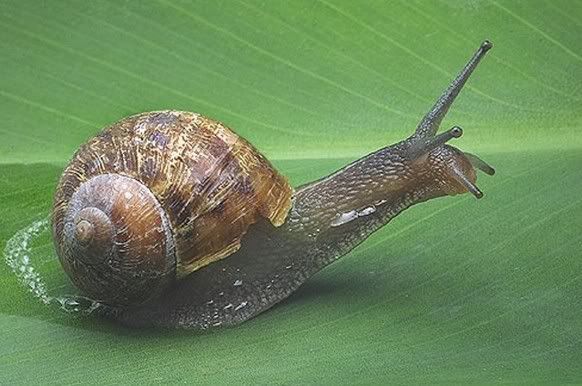
Barriers also work for snails. They dislike sand, lime, copper or ashes, so use these borders to keep snails away.
Baking soda and powdered sugar mixed in equal parts is a good roach killer. Just spread around the area where you see roaches and soon you won't see them anymore. (Boric Acid, while slightly more toxic, is naturally occurring and is another way to get rid of them.)
Here's a really sneaky way to get rid of fire ants. (All's fair in love and the war against insect pests.) The only way to get rid of an infestation is to assassinate the queen. Wait until a dry spell is about to end. Sprinkle instant grits on the fire ant hill. The workers will carry the grits to the queen for her royal meal. She'll eat the grits and when it rains, she'll drink. And that's what will kill her. The grits will expand in her stomach and she'll "bloat" to death. Once she's out of the way, the leaderless ants will die off. (This suggestion came courtesy of the Tightwad Gazette II book.)
Cloves smell better than moth balls and are a natural deterrent against winged pests. You can also create a water trap by filling a small basin with water and leaving a night light suspended over it. Moths will be attracted to the light and will end up crashing and burning and falling into the water. Add a little dish soap to break the surface tension of the water.
Corn Gluten Meal may not sound very appetizing, but it's a natural, preemptive strike against weeds. Apply it early in the spring before weeds sprout. Corn gluten meal is a byproduct of the corn milling process and is a natural fertilizer.
Diatomaceous earth is made up of the fossilized remains of diatoms, single-cell organisms. The glass-like nature of diatomaceous earth makes it one of the oldest forms of insecticide. The sharp surfaces cut through the insect cuticle and the insect dies of dehydration. Diatomaceous earth kills earwigs, ants and box elder bugs. Since it's non-discriminate when it kills, be sure to only apply it just to the ground surface where you think insects are overstaying their welcome.
Grind rosemary leaves into a fine dust and sprinkle it onto your pet or its bedding to ward off fleas.
Ivory liquid dishwashing detergent can act as a natural insecticide. Dilute with water until it is a 1 or 2 percent solution and then spray on plants.
Need neem oil? Neem oil - made from guess what? - neem seeds, prevents fungus growth, and repels and kills insects, including mites. While it fights many scourges, it's nontoxic to birds, mammals and most beneficial insects. One word of caution - it can sometime affect bees so use it as a spot treatment to minimize contact. Neem oil is usually sold in a concentrated form, to which you add water.
Fruit flies are wine connoisseurs. Okay, maybe they are not wine snobs, but they have been known to quaff a few drops here or there. They particularly like Chardonnay or so we hear. Use that knowledge to your advantage: fill up a saucer of some cheap white wine and add a little detergent to it. Leave it around for the flies to sip and die on. This solution brings knew meaning to the expression "rot gut."
A natural fly catcher related to wine is to put something sickly sweet like mango peels in the bottom of narrow-necked wine bottles. The flies can fly in, but can't fly out.
You can even make your own fly paper. Boil water, sugar and corn syrup together. Spread the extra-sticky mixture on brown paper grocery bags and voila you have your own fly paper which will trap flies.
For mosquito control the aged old custom of burning citronella candles will help repel the pesky critters.
To get rid of slugs and snails, invert a flower pot near a shady plant. Use a stick to prop up the flower pot or place on irregular ground - whatever will give enough of an entrance way for slugs and snails. They will crawl under the rim to avoid the heat. Check the flower pot at the end of the day and remove the slugs and snails.
Vinegar is a great herbicide. Fill a spray bottle with vinegar - white is best since it won't stain, you certainly don't want to use expensive, aged Balsamic vinegar on weeds - and spray the vinegar on your unwelcome flora on your porch, patio or back yard. It's one of the few things that will work against noxious weeds such as Canadian Thistle. All vinegars are diluted, so try and buy the highest concentration you can at the supermarket.
Using organic lawn fertilizers will not only keep it green, it will make it healthy and more equipped to defend itself against weeds and pests. Organic fertilizers, such as bat guano, grass clippings, alfalfa meal, fish emulsion and worm castings, work well.
While natural pest control products are a step up from most commercial insecticides, you should still be restrained about using them. Don't just leap at something that cures the symptom - look for the underlying or root cause and seek a solution for that problem. Overuse can end up creating new problems - getting rid of one pest in exchange for another.
That said, natural pest control can be a great non-toxic solution to keeping your garden and home pest free.


 Adult female predators lay yellow


.jpg)
